POKÉMON COLLECTING
What Pokémon Sets Are Still Being Printed?
A practical way to read availability, ignore the noise, and decide when a sealed Pokémon box is actually worth buying.
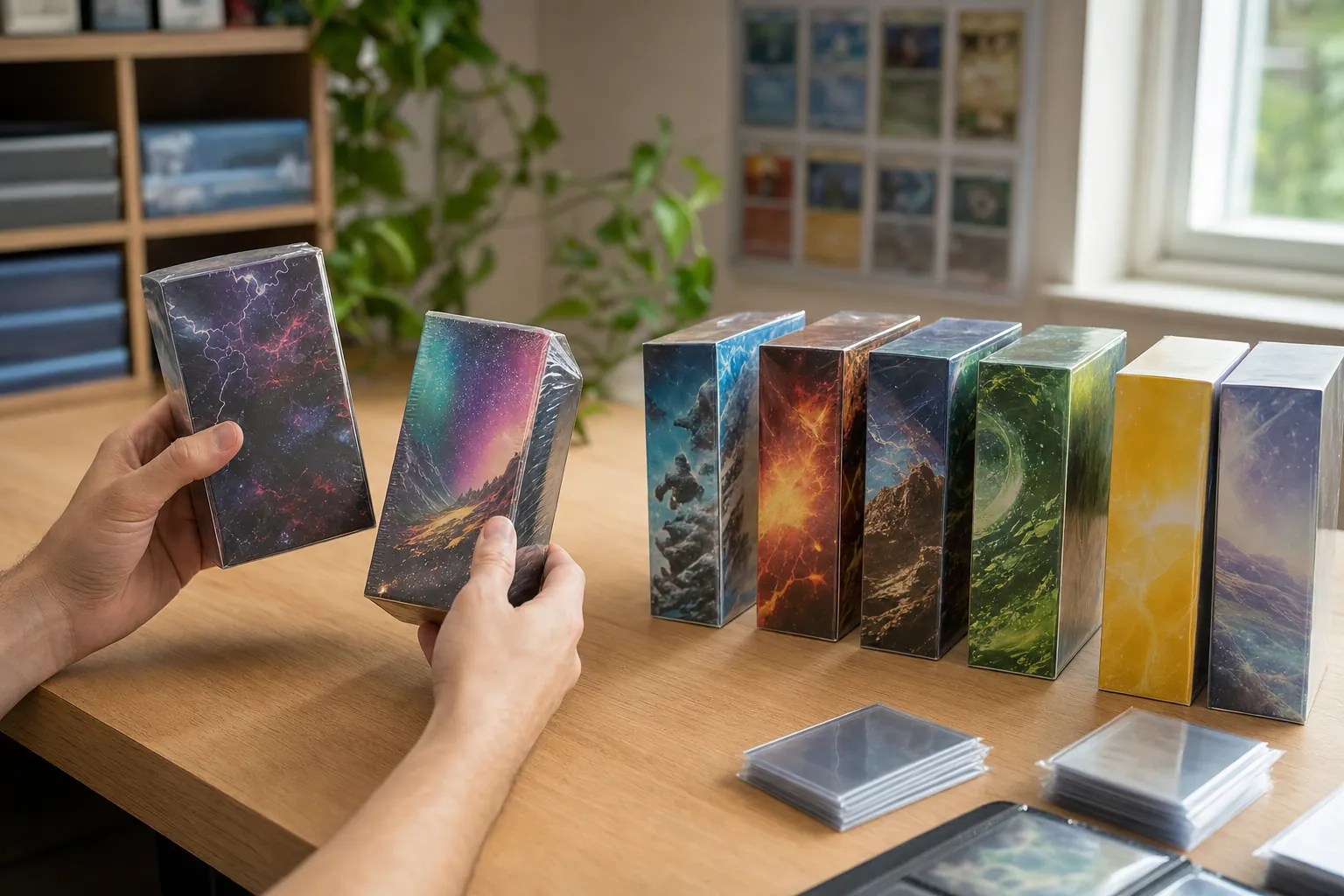
Collectors often want a simple answer: is this Pokémon set still being printed, or did I miss my chance? The honest answer is that there is no dependable public calendar for every production run. A set can disappear from one store, turn up at another a week later, and look scarce again before another restock reaches the market. That does not make collecting impossible. It just means the best decision comes from reading real availability instead of treating rumors as a deadline.
Use this guide when you are deciding whether to open, gift, or keep a sealed box. The goal is not to predict the future perfectly. It is to understand what the stock in front of you is actually telling you, compare the exact product properly, and buy only when the box still makes sense for your collection.
Start with the right question
“Still being printed” can mean different things. You might be asking whether stores will get more of a set, whether a current price is likely to hold, or whether you should buy a box before it gets harder to find. Those are related, but they are not the same question. A collector who wants a fun rip night needs a different answer than someone building a sealed shelf.
Begin with your purpose. If you want to open packs, ask whether you enjoy the Pokémon, artwork, and overall set enough to be happy with the experience even without one specific pull. If you are buying a gift, ask whether the recipient knows the set or would simply enjoy a current sealed product. If you are holding a box, ask whether you would still be glad to see it on the shelf if availability changed tomorrow. That approach keeps the purchase grounded in the hobby instead of a guess about timing.
Check several established sellers
One out-of-stock label is a snapshot, not a verdict. Stores manage stock differently, and product can be between deliveries, reserved for an upcoming sale, or sold through faster than expected. A more useful signal is whether the same exact product stays difficult to find across several established sellers over time.
Compare the set name, language, and format carefully. A Japanese booster box, an English Elite Trainer Box, a Booster Bundle, and loose packs can all be connected to the same broad release but have very different availability. The official Pokémon Trading Card Game information is useful for understanding the broader release, while the product listing tells you the language, configuration, and condition you are actually considering.
Look for a pattern rather than a dramatic moment. If several trusted stores have normal stock and occasional restocks, the set is still broadly available to collectors. If those sources stay sold out for a sustained stretch, comparable listings grow thin, and only expensive alternatives remain, availability may genuinely be tightening. Even then, it is a reason to pay closer attention, not a reason to buy the first box you see.

Understand what a restock does and does not prove
A restock is good news for a collector who wanted a fair chance to buy. It means product is available again. It does not tell you how long that availability will last, how much more product may arrive, or what a sealed box will be worth in the future. Treat it as current shopping information, not a market forecast.
The same rule applies when a product seems to vanish. A temporary gap can happen because a distributor delivery is late, a retailer sold through a popular allocation, or collectors are responding to a new release. Before paying a premium, give yourself time to check more than one seller and compare similar listings. Current product pages at the Pokémon Center trading card game store can also help you separate a broadly current release from a listing that only looks urgent because of one seller's inventory.
Compare like with like before you judge the price
A lot of confusion comes from comparing products that are not actually equivalent. Do not compare the price of one language, product format, or condition level with another and call the difference a shortage. A Korean box can have a different release path from an English box. A special collection can have a different pack count from a standard booster box. A clean sealed display and a dented box are not the same purchase.
Before you decide a product is getting expensive, make a small checklist: exact set name, language, product type, pack configuration, stated condition, shipping cost, and seller support. This does not take the fun out of collecting. It protects the fun from the kind of rushed checkout that feels disappointing the moment the package arrives.
For a clearer comparison between language versions, see our Japanese versus English Pokémon cards guide. If the choice is between a fuller box and a smaller pack-focused product, the Elite Trainer Box versus booster box guide is a useful next step.
Use scarcity talk carefully
Scarcity gets attention because it makes a decision feel urgent. Sometimes that urgency is real. More often, it is incomplete. A post, video, or group chat can point to one store selling out and make it sound as though the entire market has changed. That may be a useful lead, but it is not enough evidence to treat a product as gone for good.
Slow down when someone claims a set is “definitely done,” “never coming back,” or “the last chance.” Ask what the claim is based on. Is there a long-running pattern across sellers, or just a screenshot from a single store? Are they describing the same language and product format you want? Is the person sharing the claim trying to sell you the product? A calm collector does not need to dismiss every warning. They just need to separate useful signals from a sales pitch.

Do not let availability replace condition checks
A hard-to-find box still needs to be the right box. When availability gets tight, it is easier for a vague listing, damaged packaging, or questionable seller to feel acceptable because there are fewer choices. That is exactly when the normal checks matter most. Confirm the exact product, inspect the photos, read condition notes, and make sure there is a clear way to get help if something is wrong.
Our guide to buying Pokémon booster boxes safely walks through those checks in more detail. If the listing is for packs rather than a box, use the fake Pokémon pack guide before you commit. Availability should help you decide how patient to be. It should never lower the standard for what you are willing to buy.
Make a plan for sets you want to follow
If there are a few sets you know you care about, make a quiet watch list instead of trying to track every rumor. Note the product version you would actually buy, the price range that feels fair to you, and whether you want it for opening, gifting, or sealed storage. Check trusted sellers occasionally, then act when the product and price line up with your plan.
This works better than chasing every restock because it gives you a reason to pass. A set can be popular and still not belong in your collection. A box can be available and still be the wrong language or format. A reasonable plan lets you move quickly when the right product shows up, without turning every stock change into a high-pressure decision.
Use a simple availability routine
You do not need to refresh store pages all day. Pick two or three established places you trust, then check them on a schedule that fits how quickly you want to buy. Once a week is enough for a casual collector. A person who knows they want a particular current box for a birthday or an opening night might check more often as the date gets closer.
Each time, write down only what helps you make a decision: whether the exact product is in stock, the full price after shipping, the condition, and whether the listing has changed. After a few checks, the pattern becomes clearer. You will see whether a product is normally easy to find, whether the price is stable, and whether a retailer's low-stock notice is a genuine change or just a familiar part of their catalog.
Keep the routine small enough that it stays useful. A spreadsheet of every Pokémon product on the market is not a collection plan. A short list of the sets you care about, their preferred format, and a sensible budget is. That gives you a better chance of enjoying the purchase than trying to win an argument about what may happen next.
When it makes sense to buy now
Buying now can be sensible when you have found the exact product you want from a seller you trust, the stated condition is right, and the total price fits your budget. Those are real reasons to checkout. You do not need a promise that the set will never be restocked to buy something you are excited to own.
It may be worth waiting when the listing is unclear, the price is far above comparable options, or you are reacting only to fear of missing out. Waiting a few days lets you compare more sellers, learn whether stock changes, and decide whether you wanted the set or simply the feeling that you had beaten everyone else to it. The latter wears off fast.
What to do when a product really is harder to find
When an exact box becomes harder to find, start by deciding whether you need that precise version or simply a collecting experience that feels similar. If you wanted to open packs from a favorite era, another available product from the same broad release may be a better choice than paying too much for one scarce format. If the exact box is the point, patience can be part of the purchase. Set a maximum price, wait for a seller and condition you trust, and be ready to walk away when the listing does not meet the standard.
This is also a good time to avoid loose assumptions. Do not assume an unfamiliar language version is interchangeable, that a damaged box is fine because it is rare, or that an auction price is the new normal. Read every listing for its own merits. The collector who keeps the same standard when choices are thin usually ends up happier with what reaches the shelf.

Keep the boxes you choose in good shape
Once you have a sealed product you want to keep, move the decision from availability to care. Keep it dry, away from direct sunlight, and out of crowded stacks that press on the corners. A stable shelf and careful handling do more for a sealed box than frantic market watching ever will.
For a favorite display piece, a properly fitted case can add a useful layer between the box and everyday handling. Our Pokémon booster box protector guide explains what to check before choosing one. If you open the box instead, have sleeves and storage ready for the cards that immediately earn a place in the binder. The sleeves and toploaders guide can help with that first layer of protection.
How Cardboard Superstars helps
Cardboard Superstars gives collectors a clear place to compare current sealed Pokémon products without pretending every box is the same. Browse the Pokémon booster box guide when you are choosing between English, Japanese, and Korean options, or go straight to the current Pokémon selection once you know what suits your collection.
Use the listing details as the final check. If a product detail is what stands between you and a confident decision, the contact page is there before checkout. A good collection is built one considered choice at a time.
Frequently asked questions
How can I tell if a Pokémon set is still being printed?
Look for steady availability across established sellers, normal restocks, and current sealed products rather than relying on one low-stock notice. No public list can confirm every printing decision, so use several practical signals before you buy.
Does low stock mean a Pokémon set is out of print?
No. A store can sell through stock while more product is already moving through distribution. Low stock becomes more meaningful only when several reliable sellers stay sold out for a sustained period and ordinary restocks stop appearing.
Do Pokémon reprints lower the value of a set?
A reprint can change short-term availability and price, but it does not decide whether a set belongs in your collection. The set, condition, demand, and your reason for owning it still matter. Buy a sealed box because you will enjoy it, not because you expect a quick market move.
Should I buy a Pokémon set before it goes out of print?
Buy when the exact set, condition, and price suit your collection and budget. Do not let an unconfirmed rumor turn a considered purchase into a rushed one. There will always be another release competing for shelf space and attention.
What should I do when a Pokémon product is hard to find?
Compare several established sellers, confirm that you are looking at the same language and product format, and give restocks time to appear. If you choose to buy, read the full listing and make sure the seller and condition justify the price.
KEEP EXPLORING
Related posts
 Collector guide
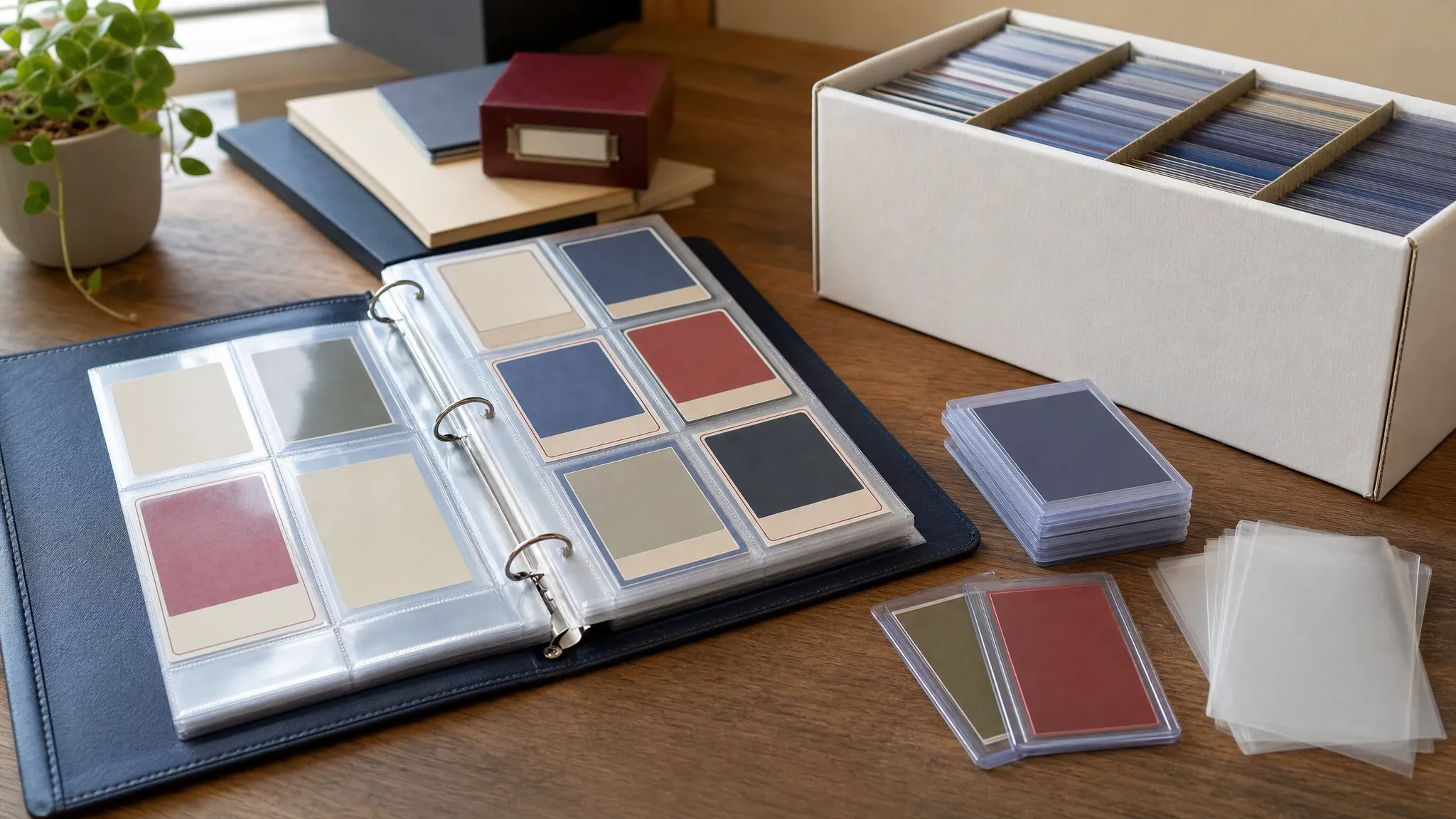
How to Organize Pokémon Cards: A System That Grows With You
A practical way to sort Pokémon cards, protect the keepers, manage duplicates, and keep every new pack from becoming another loose pile.
 Collector guide
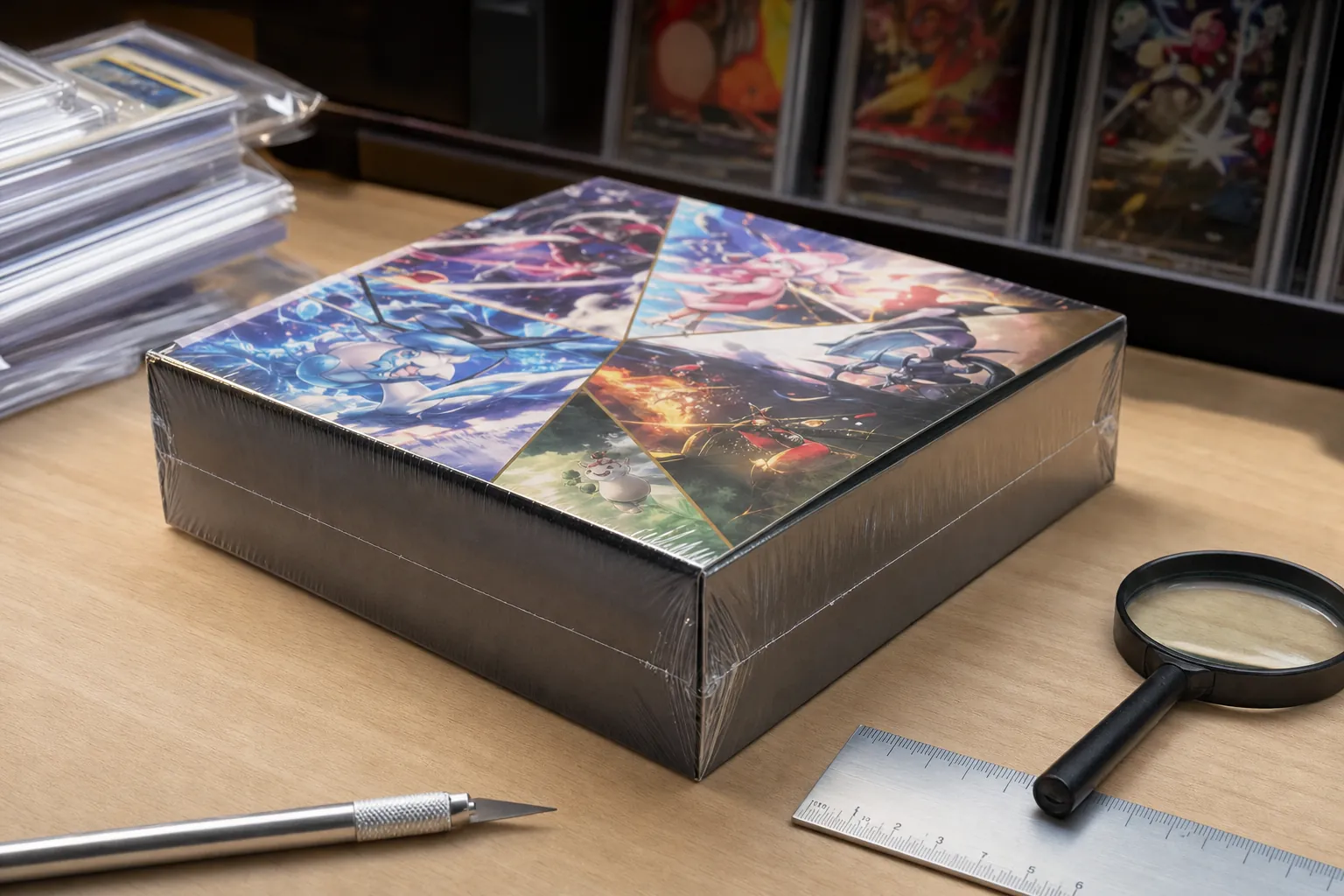
How Long Are Pokémon Sets Printed?
Understand Pokémon set availability, reprints, restocks, and the practical signals collectors can use before deciding to buy or wait.
 Collector guide
How to Start Collecting Pokémon Cards
A calm beginner plan for choosing a collecting goal, buying your first cards, protecting them, and keeping the hobby fun.