POKÉMON COLLECTING
Japanese Pokémon Cards vs English: Which Is Right for You?
The best version is the one that fits what you want to collect, open, play, display, or give. Here is how to make the choice without turning it into a guessing game.
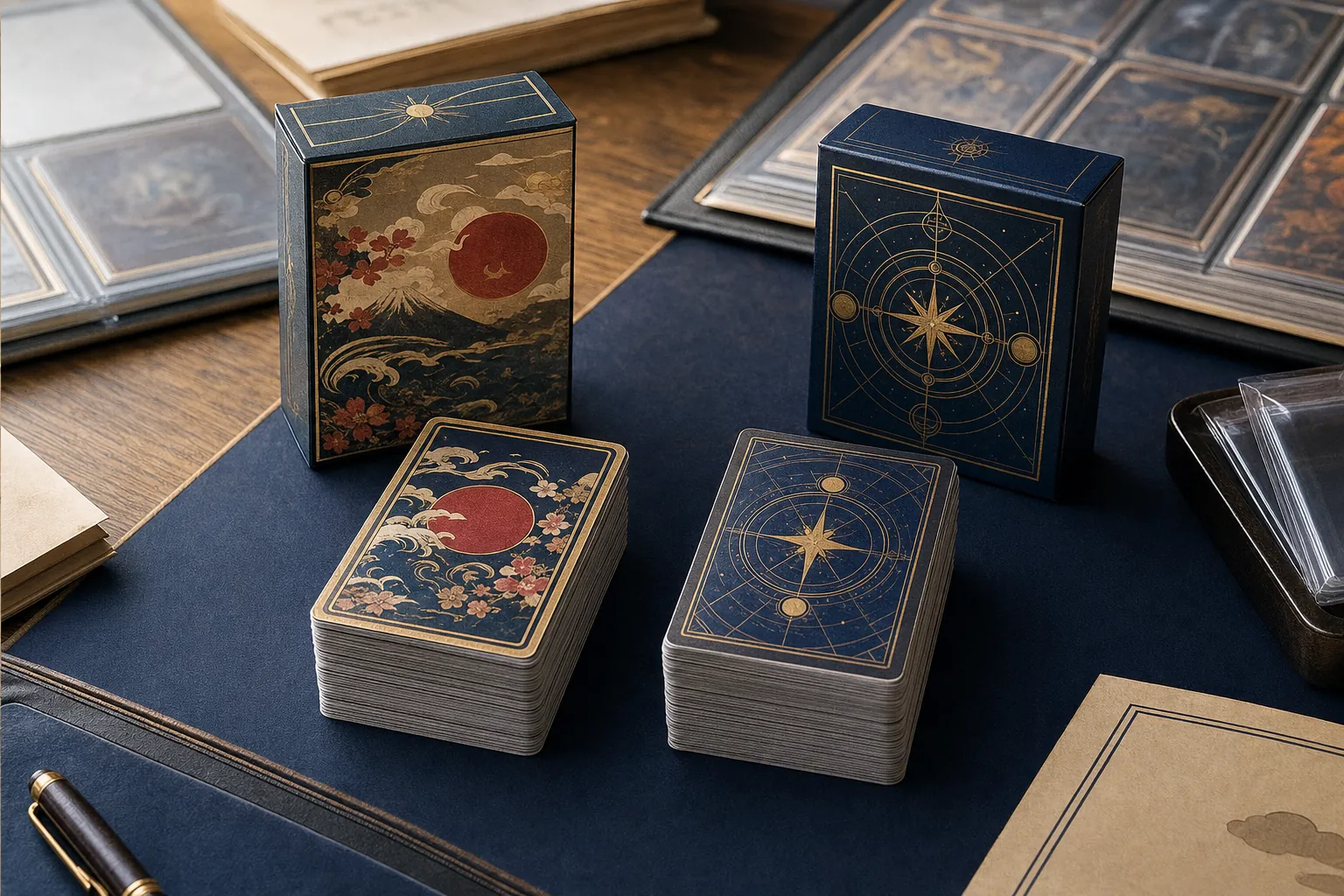
Japanese Pokémon cards and English Pokémon cards can both make a collection feel personal. One collector may love Japanese cards for the presentation, earlier release rhythm, or the look of a binder page. Another may want English cards because they can read every detail, trade easily with friends, or build a deck for local play. Neither choice is automatically smarter. The useful question is what job you want the cards to do once they are yours.
That sounds simple, but it prevents a lot of regret. A person who wants an easy first binder should not feel pushed toward a Japanese box just because the art looks different online. A collector who has been drawn to Japanese cards for months should not settle for English product only because it feels familiar. Start with your reason, then compare the exact release, format, seller, and price in front of you.
Start with the collection you want to build
Before comparing languages, decide how you will enjoy the cards. Are you opening packs for the experience? Building a binder around favorite Pokémon? Keeping a sealed box on display? Looking for cards to trade locally? Buying a gift for someone whose taste you only partly know? Those are different purchases, and each can point toward a different answer.
For a binder collector, the visual pull matters. A card can earn a page because of the artwork, layout, foil treatment, or the way it sits beside another card. If Japanese cards give you the look you want, that is a real reason to choose them. For a player, readable text and the rules at the table may matter more. For a gift buyer, the best box is often the one connected to the recipient’s favorite set or collecting habit, not the one with the loudest online hype.
A useful filter is to finish this sentence before you shop: “I want this product because…” If the answer is “I want a Japanese-language binder around artwork I love,” you already have direction. If the answer is “I want a box my friend can open and recognize,” English may be a more natural fit. If the answer is “I want something cool to keep sealed,” compare condition, presentation, and your budget before chasing a language label.
Japanese and English releases are related, not interchangeable
Japanese and English Pokémon TCG releases share a world, but they do not always arrive in the same shape. A set name, card list, timing, box configuration, rarity treatment, or product format can differ between regions. That does not make one release better. It means an English product should not be treated as a direct substitute for a Japanese product without checking what is actually inside.
This is especially important when you are buying sealed product. Two boxes can look broadly similar in a product photo while offering a different number of packs, a different release identity, or a different collection experience. Read the full title, language, set name, and configuration. When you are comparing a product to the wider game, the official Pokémon TCG site is a useful starting point for learning about the game and current releases, but the exact listing is still the source of truth for the item you are buying.
Think of language as one part of the product, not the entire product. The exact set, the condition of the box, the price you are paying, and what you hope to do with it all deserve equal attention.
Choose Japanese cards for the visual and collecting experience
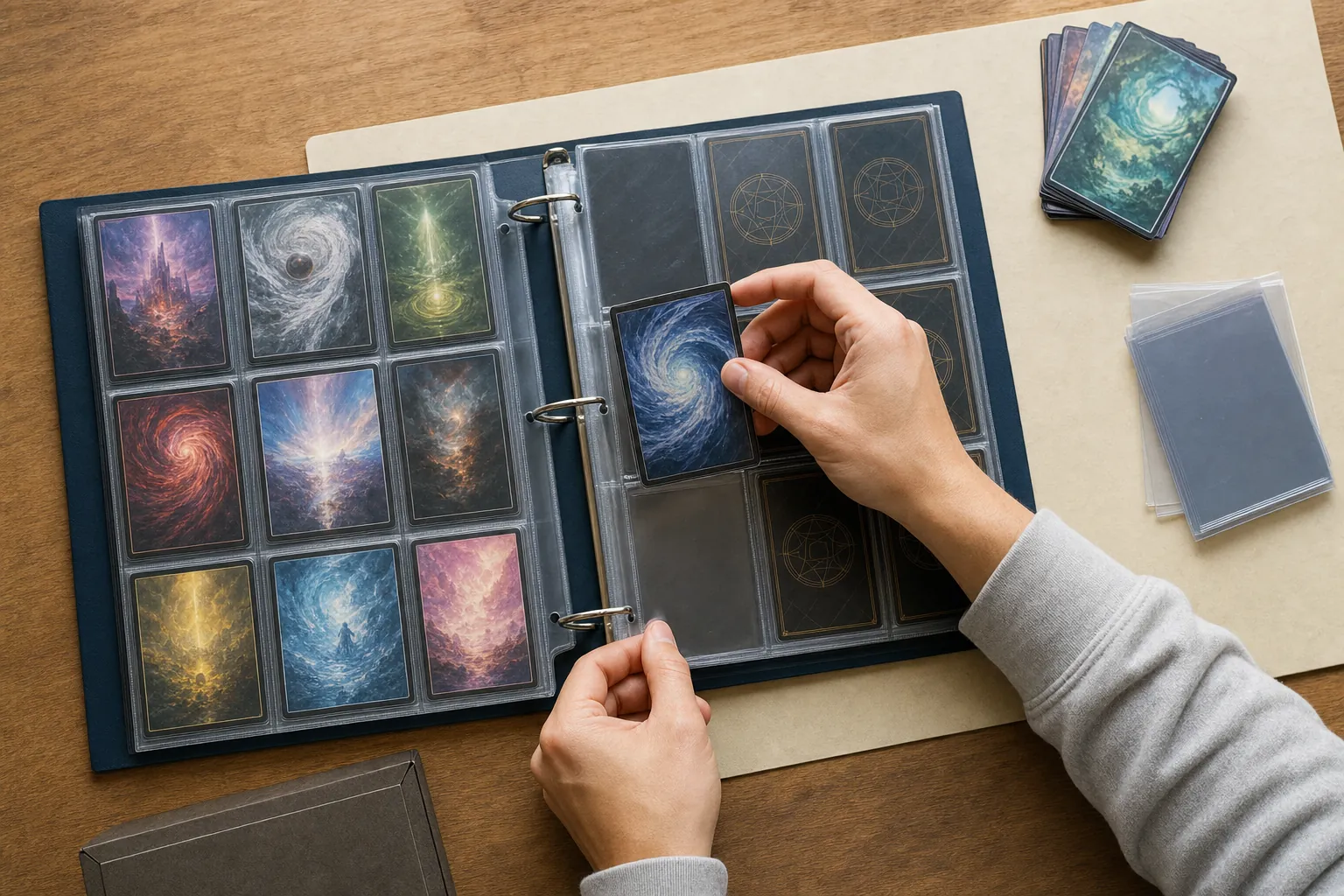
Japanese cards can be a strong fit when the collection is mainly about the cards as objects. Many collectors enjoy the different language presentation, the feel of a Japanese binder page, and the satisfaction of owning a version that stands apart from the one most often seen locally. That appeal does not need to be justified by a spreadsheet. A collection is supposed to look and feel like yours.
Japanese product can also be appealing when you want to explore a favorite theme from another angle. You may have an English set you already enjoy and want the Japanese version for a display, a language pair, or a second binder. You may be drawn to a specific release because its artwork, packaging, or card style feels distinct. Those are sensible collecting goals as long as you buy the version you actually want, not a vague idea of what might become desirable later.
The tradeoff is practical: you may not be able to read every card at a glance, and it may be less convenient to trade with people who only collect English cards. That is not a problem if the cards are for your shelf, binder, or personal opening experience. It becomes more important when your main goal is play or easy local swapping.
Choose English cards for easy reading, sharing, and local play
English cards are often the smoother choice for collectors in the United States who want to read the card text, build a deck, trade with friends, or buy a gift for someone who usually opens English product. That familiarity lowers the friction. You can understand a card right out of the pack, compare it with what other local collectors own, and make decisions without translating names or effects.
For people buying their first Pokémon box, English product can also make the hobby easier to learn. The card text, packaging, and common discussion around the release all line up with the language most local buyers see. That does not mean Japanese cards are “advanced” or less welcoming. It only means English provides a more direct path when your priority is using and discussing the cards in English.
If tournament play is central to the purchase, confirm the rules before you commit. Organized play has its own card-eligibility and event requirements, so ask the event organizer and review the official Play! Pokémon information for the event you plan to attend. A collector card and a tournament card do not always serve the same purpose.
Release timing can change the decision
Collectors often notice Japanese product first because a Japanese release can create excitement before an English-language counterpart is widely available. That timing can be fun when you want to follow a favorite theme closely, but it should not be mistaken for a promise about future value or a reason to rush into every new box. Early access only matters if the release itself is one you want to open, display, or build around.
Release timing also affects how much information you have before you buy. With a Japanese box, you may be choosing based on the set name, packaging, artwork previews, and the collecting goal you already know you have. With an English release that arrives later, you may have more time to read product details, see the English version in person, and decide how it fits with local trading or play. Neither approach is better. They simply reward different levels of patience.
When a set is new, give yourself a little room to separate excitement from intention. Ask whether you would still be happy with the box if you pulled no single card you were chasing. If the answer is yes because you enjoy the set, the language, or the opening itself, you are making a sturdier choice. If the only answer is fear of missing out, wait until you can compare the exact product calmly.
Set names and card lists deserve a closer look
Do not rely on a familiar character or broad set theme to tell you what a product contains. Japanese and English releases can organize related cards differently, and names that sound connected do not guarantee matching product contents. The collector who reads the listing closely avoids the common mistake of buying a box for an assumed card list, pack count, or release relationship.
Use the product page as a practical checklist. Confirm the language. Confirm the set name. Confirm whether it is a sealed booster box, a special configuration, a loose pack, or another type of product. Check the condition notes and any photos when that matters. Then compare the product to your actual goal. You do not need to memorize every card before buying, but you do need enough context to know what you are choosing.
This is also where collectors can enjoy the difference between languages without turning it into a contest. A Japanese release may be the one you want for your binder, while an English release may be the one you want to open with friends. They can be complementary purchases. Your collection does not need to choose a side forever.
Do not compare booster boxes by price alone
It is tempting to look at a Japanese box and an English box, spot the lower number, and assume one is the better value. That shortcut causes trouble because a booster box is not a generic unit. It is a specific product with its own set, language, pack count, release timing, supply, condition, and collector demand.
Compare like with like. Check the exact product name. Confirm whether you are looking at a booster box, a special box, loose packs, or another format. Read the stated configuration. Then consider what you want from the opening. A box with a lower sticker price is not automatically a better choice if it is not the release you wanted, arrives from a seller you do not trust, or turns out to be a different format than you assumed.
For current Japanese stock, start with Cardboard Superstars’ Japanese Pokémon collection and read the product details before adding anything to the cart. If you are comparing against English releases, the broader Pokémon collection gives you a useful second path. The goal is not to prove one language is cheaper. It is to make sure the product you buy fits the opening, binder, gift, or display you actually have in mind.
Decide whether you want packs or a specific card
A language comparison is only useful when it sits beside the bigger question: are you buying the experience of opening packs, or are you trying to own one particular card? If you want the opening, a box can be a great choice because the set, language, and surprise are part of the fun. Choose the version whose cards and packaging you will enjoy even when the pulls do not follow a perfect plan.
If you want one exact card for a binder, display, or gift, buying packs may be the long way around. Compare available singles in the language you want, then decide whether the sealed product still has its own appeal. This is not about taking the fun out of opening. It is about being honest about what the purchase needs to accomplish. A collector who wants one favorite illustration may be happier buying that card and using the rest of the budget on protection or another set they genuinely want to open.
The same logic helps with language. If the exact card is what matters, choose the version you want to look at every day. If the opening is what matters, choose the box that will make the session memorable. If you want both, set a budget that leaves room for the possibility that the card you want may still need to be bought separately later.
Buy sealed product with the same care in either language
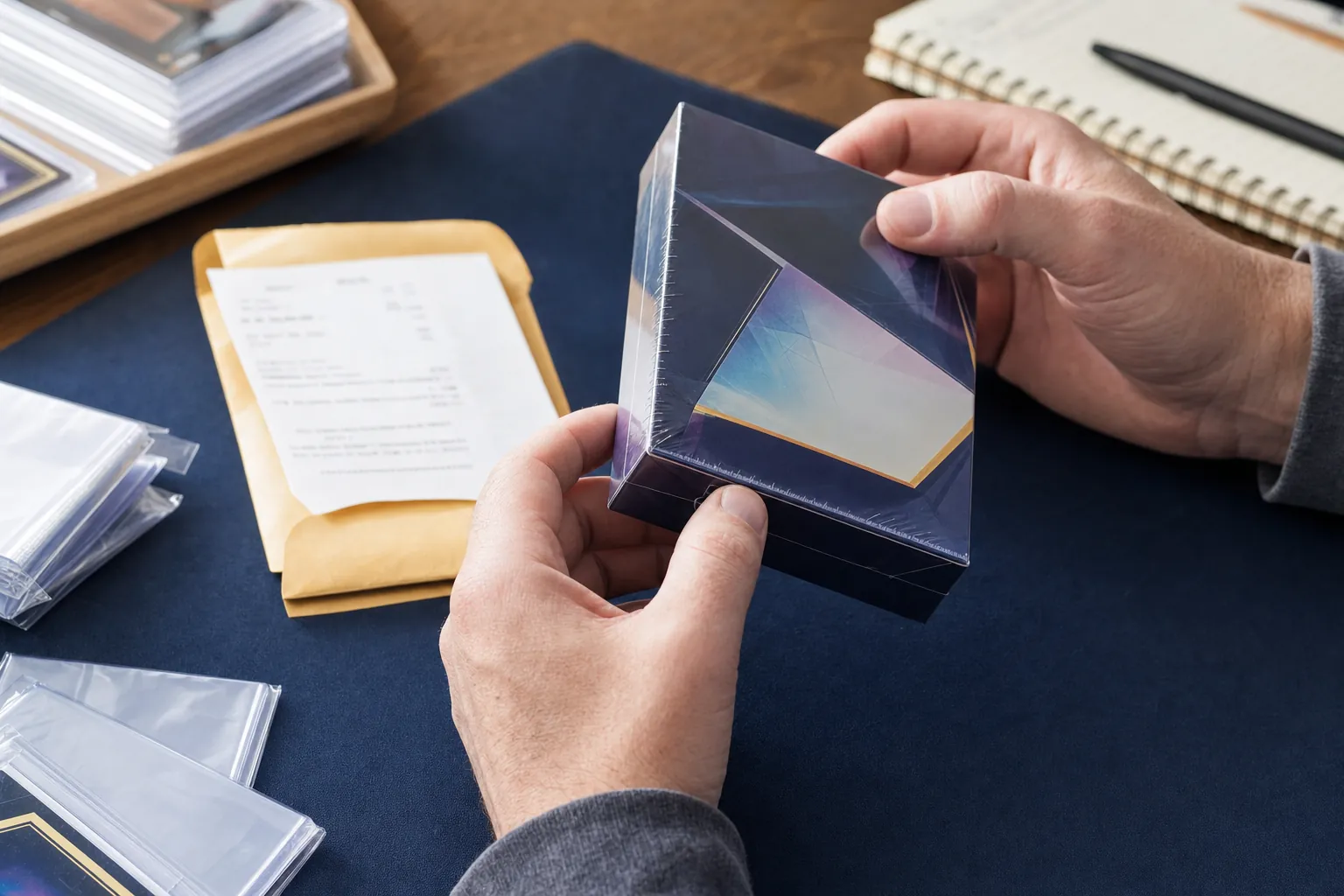
Language does not replace the basics of a good purchase. Whether you are buying Japanese or English, look for a seller with a clear identity, useful product information, fair condition notes, and a way to help if something goes wrong. The same applies to photos. If condition matters, the listing should give you enough information to understand what you are buying.
For a more detailed walkthrough, use our guide on buying Pokémon booster boxes safely. The checklist is simple: know your goal, compare the normal price range, read the exact listing, and slow down when anything feels vague. A factory wrap is one signal, not a substitute for a trustworthy seller and a clear product description.
Imported product adds another reason to pause and read carefully. Confirm the language, set, and configuration before checkout. Do not rely on a thumbnail, a shorthand title, or a comment section. A good purchase should still feel good once the box is in your hands.
Trading, selling, and collecting are different goals
People sometimes treat trading value as the only measure of a card, but trading is just one way to enjoy the hobby. If you mostly trade locally, English cards may be easier to discuss and swap because they are familiar to more collectors around you. If you mainly collect for yourself, a Japanese card can be every bit as satisfying when it is the version you wanted on the page.
If resale is part of your thinking, stay grounded. Condition, set popularity, card rarity, timing, buyer demand, and the platform you use all influence what a card or sealed box can bring. Language matters, but it is not a shortcut around those other factors. Do not buy a product you do not enjoy simply because it sounds like a safer financial choice. A collection is more resilient when you would still be glad to own it on a quiet day with no market chatter.
For a card you want to keep, protect it first and decide later whether it belongs in a binder, display, top loader, or grading submission. The best next step depends on the card and your goals, not on the language printed on it.
Build a binder that makes sense to you
A language-matched binder can look clean and focused. A mixed-language binder can tell a better story. There is no rule that says every page must follow one format. Some collectors keep Japanese cards in a dedicated binder because they like the consistent visual presentation. Others place Japanese and English versions side by side to compare artwork, names, or the path a favorite set took across releases.
The practical part is protection. Sleeve cards before they go into a binder or storage box, especially if they are cards you would be disappointed to replace. Use a binder and page style that keeps cards flat and easy to enjoy. If you open a box with friends, having sleeves and storage nearby keeps the best pulls from spending an evening loose on the table. Cardboard Superstars’ collector supplies can help you set up that first layer of protection before the packs are open.
Do not build a collection around what strangers say it “should” be. Build it around the cards you want to see when you open the binder. That might be English for readability, Japanese for presentation, or both for the contrast.
Gift buyers can make the choice simpler
When you are buying for someone else, you do not need to solve the entire Pokémon card market. Start with what you know about the person. Do they play the game, collect a favorite Pokémon, enjoy opening packs, or keep sealed product on a shelf? A player or a newer collector who reads English will usually appreciate an English-language product they can understand immediately. A collector who has mentioned Japanese cards, loves artwork, or already keeps a Japanese binder may appreciate the more distinctive option.
If you are not sure, choose the product with the clearest story. A sealed box from a set they have talked about, a product that fits their favorite type of opening, or a few protection supplies to go with the cards can be more thoughtful than a mystery purchase based only on price. You can also browse the Pokémon hub to see the available directions before narrowing the choice.
The goal of a gift is to make the collector feel seen. The language is part of that decision, but it is not the whole decision.
Sealed collectors should focus on condition and intent
Keeping a box sealed is a different collecting experience from opening it. The card text may matter less than the box’s presentation, condition, and place in your collection. In that situation, Japanese product can make a distinctive display piece, while English product may represent a release you followed from launch. Either can be satisfying when the choice has a real reason behind it.
Start with the question you want the sealed box to answer on your shelf. Is it there because you love the era? Because it completes a run? Because it reminds you of a favorite opening? Because the packaging looks great in a display? Those answers lead to healthier decisions than trying to predict every price movement.
Store sealed product somewhere dry, stable, and free from pressure on the corners. A simple display case or storage solution can protect the box from dust and shelf wear, but careful placement matters more than expensive gear. When you need a specific Japanese product, the Japanese Pokémon booster box guide is also a useful route into the live inventory.
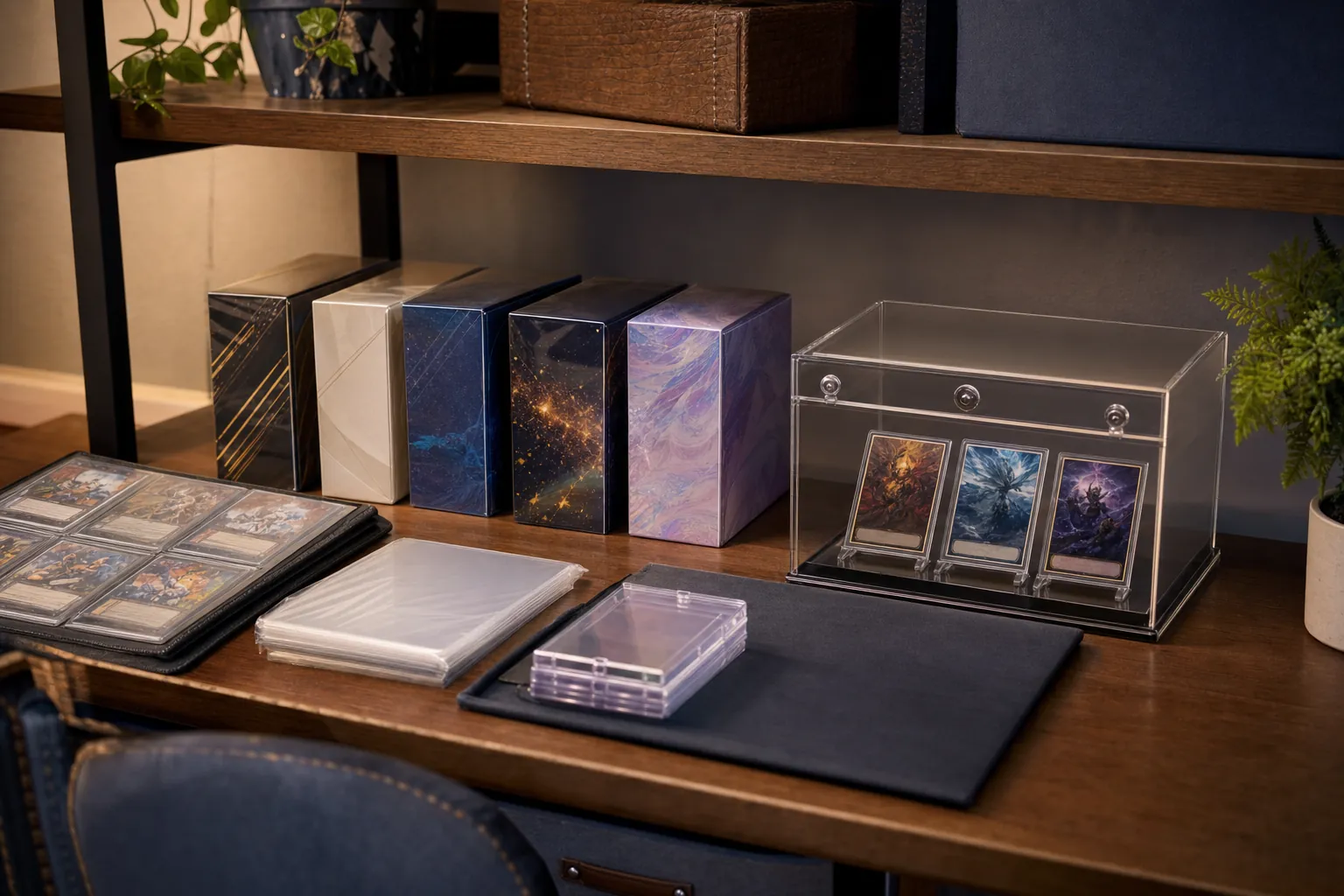
Use this quick decision guide before checkout
- Choose Japanese when you want a Japanese-language binder, enjoy the presentation, are drawn to a specific Japanese release, or want a distinctive sealed display piece.
- Choose English when reading card text, sharing locally, building an English-language deck, or gifting a familiar product matters most.
- Choose either when the exact set, box condition, seller, and opening experience matter more to you than the language itself.
- Pause and compare when a listing is unclear about the set, language, configuration, or condition. The right product will still make sense after a closer look.
You can also use a mixed approach. Pick English for the sets you want to play or read easily. Pick Japanese for favorite art, a second binder, or a sealed shelf. Let the purpose decide, not a blanket rule.
How Cardboard Superstars helps
Cardboard Superstars gives collectors a straightforward way to compare the kind of Pokémon product they actually want. Browse all Pokémon collections when you are still deciding between English, Japanese, and other releases. Go directly to the Japanese Pokémon selection when you know the language and style you want. When a product detail is the deciding factor, use the contact page before you buy.
The point is not to steer every collector toward one answer. It is to help you leave with a box, card, or binder page that feels right for your collection.
Frequently asked questions
Are Japanese Pokémon cards worth collecting?
Japanese Pokémon cards can be a great choice when you enjoy their presentation, want a Japanese-language binder, or find a sealed box that fits the kind of opening you want. The better question is whether the specific set, condition, price, and card style fit your collection.
Are Japanese Pokémon cards the same as English cards?
They are related releases, but they are not always one-for-one copies. The language, release timing, set construction, rarity treatment, and product configuration can differ. Read the listing for the exact product instead of assuming an English and Japanese release contain the same cards in the same format.
Can I play with Japanese Pokémon cards in an English-language event?
Do not assume so. Organized-play rules and local event policies can depend on where you play and which cards are legal in the format. Check the event organizer and the official Play! Pokémon information before buying cards for a tournament deck.
Why are Japanese Pokémon booster boxes often priced differently?
A box price reflects more than the language on the cards. Supply, release timing, set popularity, pack count, import costs, condition, and the current collector market all matter. Compare the exact product and configuration, not just the price on the box.
Which language is better for a gift?
Choose the language that fits the recipient. English is usually the easy choice for someone who reads English or plays locally. Japanese can be a memorable gift for a collector who enjoys Japanese artwork, wants a distinctive binder, or has mentioned a specific Japanese set.
KEEP EXPLORING
Related posts
 Collector guide
Pokémon Sets Going Out of Print in 2026: What Collectors Should Watch
Learn the practical signs collectors can watch when deciding whether a Pokémon set may be getting harder to find.
Collector guideHow to Buy Pokémon Booster Boxes Safely
A practical checklist for choosing a seller, inspecting sealed product and buying the right box for your collection.
 Collector guide
Elite Trainer Box vs Booster Box: Which Should You Buy?
Compare Pokémon Elite Trainer Boxes and booster boxes by purpose, pack count, extras, budget, gifting and collecting goals.