
POKÉMON COLLECTING
How to Buy Pokémon Booster Boxes Safely
A good booster-box purchase should feel exciting before it arrives, not stressful after you open the parcel. Here is a calm, repeatable way to choose well.
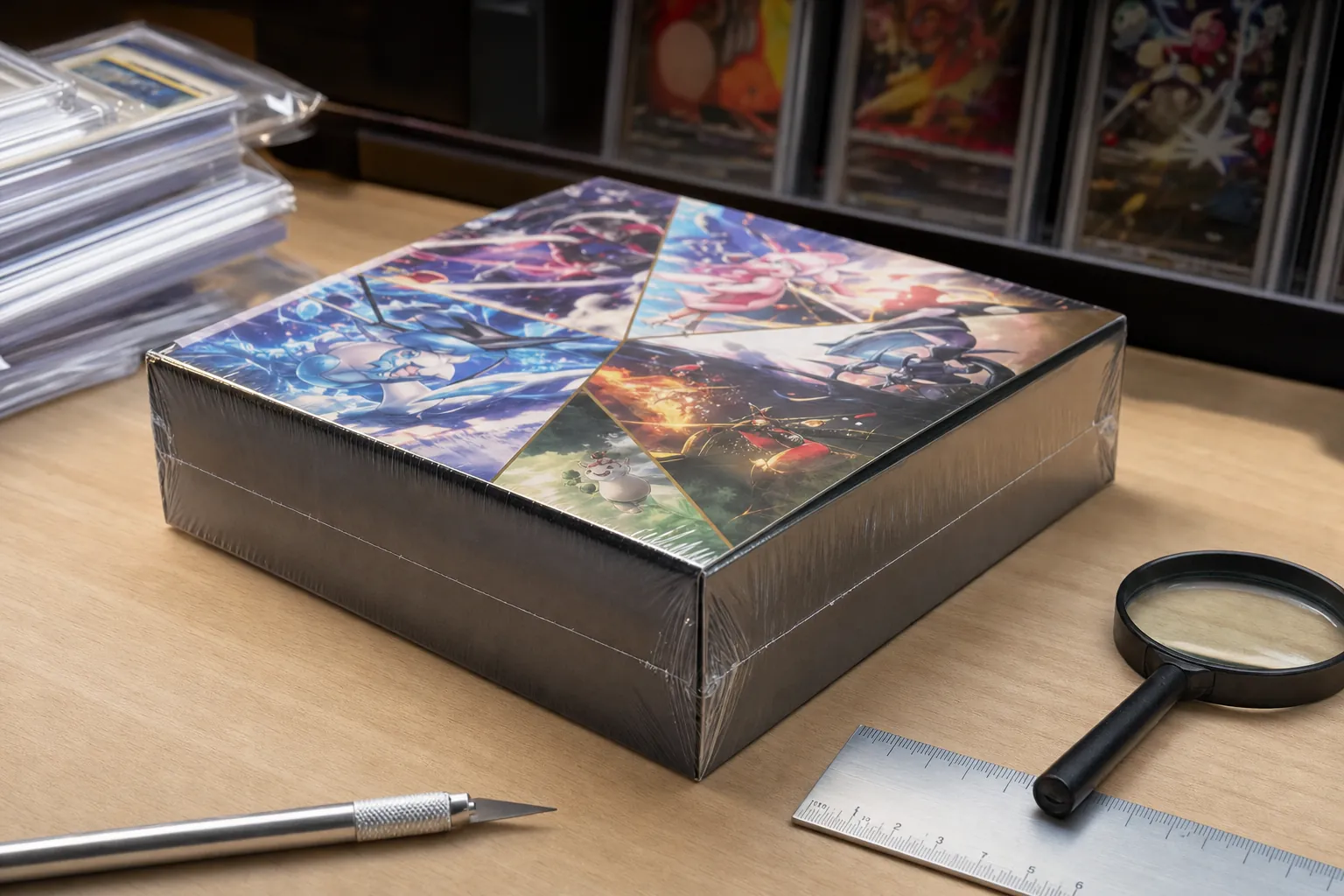
Buying a Pokémon booster box is one of the best parts of the hobby. You might be chasing a favourite era, opening with friends, putting a sealed box away for later, or simply giving someone a gift they will remember. The point is not to remove the thrill. It is to make sure the box you choose earns it.
Most bad purchases are not caused by a collector missing one tiny detail. They happen when excitement pushes the basic checks aside: the seller is unfamiliar, the price feels unusually low, the listing is vague, or the condition is never discussed. A little patience before checkout protects both your budget and the fun of opening something new.
Start with the reason you want the box
There is no single “best” booster box. The right choice depends on what you want from it. If you are opening, pick a set whose artwork, Pokémon and card style you actually enjoy. Chasing one expensive card can make any box feel disappointing, because pull rates are never a promise. If you are collecting sealed, condition and storage matter as much as the set itself. If it is a gift, a set tied to the recipient’s favourite Pokémon is usually a stronger choice than whatever is loudest online that week.
Give yourself a simple sentence before you browse: “I want a box to open with friends,” or “I want a clean sealed copy of a set I love.” That sentence makes it easier to ignore noise, comparison pressure and listings that are not really for you.
Choose the seller before you choose the deal
A familiar seller with clear policies is worth more than a mysterious listing that saves a few dollars. Look for a real store identity, a reliable way to contact the seller, useful product photos and straightforward shipping and return information. A long history of detailed buyer feedback is helpful, but read a few recent comments instead of staring only at the score. You are looking for signs that items arrive as described and that problems are handled like problems, not arguments.
For marketplace listings, read the full description and inspect every photo. A stock photo can be fine for a new current product, but it should not be the only evidence when the listing makes a strong claim about condition, rarity or a specific sealed box. For a higher-value purchase, it is reasonable to ask for additional photos before paying. A good seller will understand why.
Know what a normal price looks like
Before you buy, compare a few currently available listings from established sellers. You are not trying to find the cheapest box on the internet. You are trying to understand the normal range for that product and condition. A price that is dramatically lower than every comparable listing deserves a reason. It could be a sale, but it could also mean a damaged box, an incomplete listing, an unfamiliar product version or a seller hoping buyers will skip questions.
Factor in shipping, tax and the condition you expect. A “deal” that arrives crushed, loose in an oversized box or difficult to return is not much of a deal. When you find a fair price from a seller you trust, it is usually better to buy confidently than to keep hunting for the last few dollars off.
Inspect the listing like a collector, not a detective
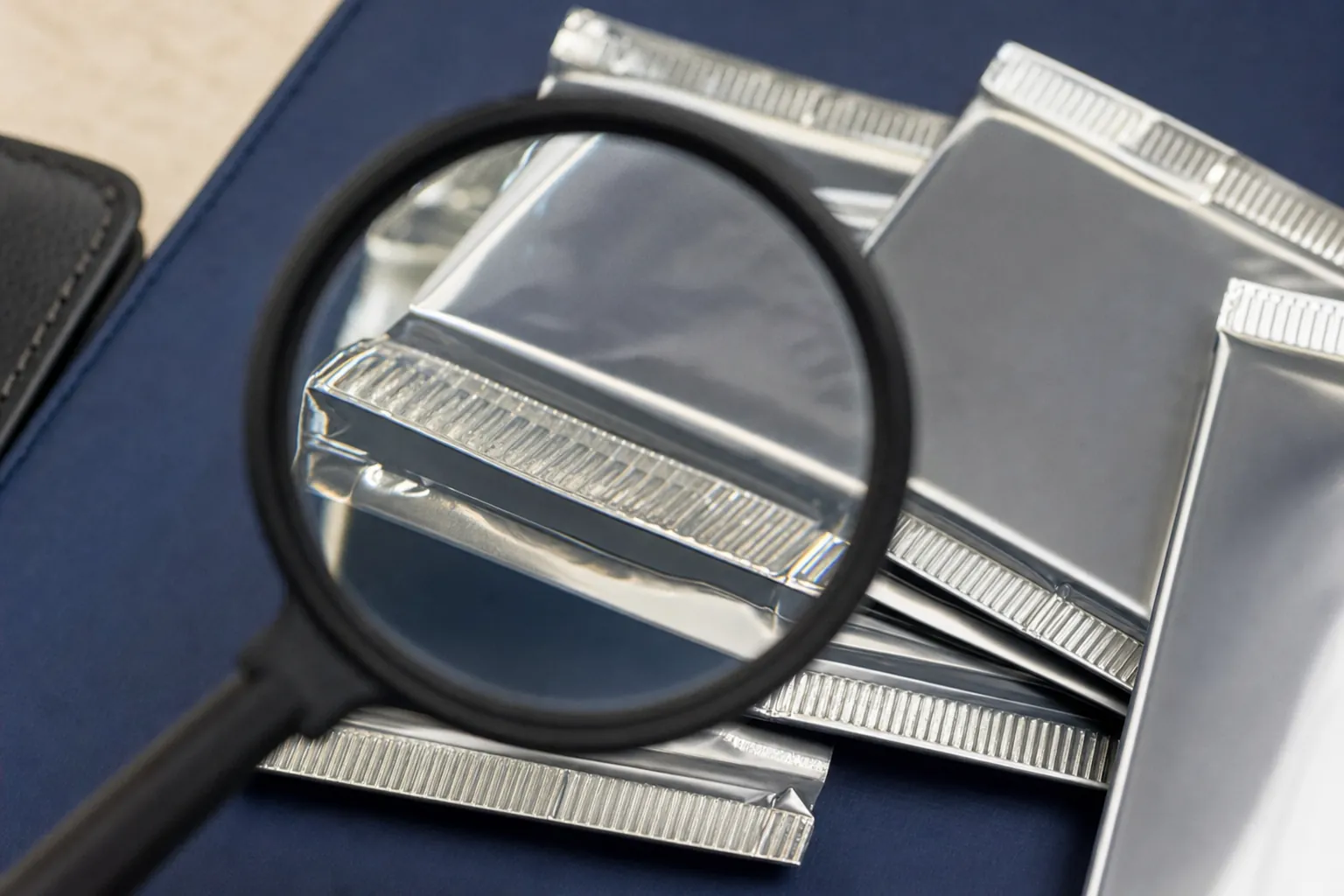
You do not need to become an expert in counterfeits to shop carefully. You need to slow down long enough to notice whether the details line up. Read the set name, language, box configuration and condition notes. Check that the photos match what the title says. Look for a consistent factory wrap, clean corners and packaging that fits the product. If the listing says “sealed,” the photos and description should make that claim easy to understand.
Do not rely on one signal alone. Shrink wrap can be present on legitimate products, but it is not magic proof. A seller’s reputation matters. Listing quality matters. The product’s price and history matter. The more those signals agree, the more comfortable the purchase becomes.
Understand the difference between sealed and untouched
Collectors often use “sealed” as shorthand, but there are different forms of sealed product. A booster box may have factory shrink wrap, a display may have a seal, and loose packs may have their own crimps and packaging. The exact presentation changes by product, region and era. That is why it helps to compare like with like rather than assuming every box should look identical.
For newer Pokémon TCG products, start with the official set information from The Pokémon Company so you know what the product is supposed to be. If you are looking at an older or imported release, ask the seller for more context instead of filling the gaps with hope. “It looks about right” is not a buying strategy.
Watch for reasons to pause
A pause is not an accusation. It is a cue to ask one more question or walk away. Be cautious when photos are heavily filtered, cropped too tightly to show packaging, reused across unrelated listings or inconsistent with the title. Be cautious when a seller refuses to show the actual item, pressures you to pay outside the platform, or cannot explain a condition issue. Be cautious when the price is wildly out of step with comparable boxes.
None of these signs automatically proves a problem. Together, they tell you the purchase may not be worth the uncertainty. There will always be another box. Your budget does not need to rescue a listing that feels wrong.
When the box arrives, document before you open
Take a few quick photos of the shipping box, label and booster box before you tear into anything. This takes less than a minute and gives you a clean record if the parcel was damaged or the item differs from the listing. Check for obvious crushing, punctures, loose or strange wrapping, missing seals, and anything that does not match the listing photos.
If something concerns you, stop. Keep all packaging, photograph the issue clearly and contact the seller through the order channel. If everything looks right, enjoy the moment. The point of careful buying is not to create a ritual of suspicion. It is to leave you free to open, display or store your box without second-guessing the decision.
Keep sealed product in collector-ready condition
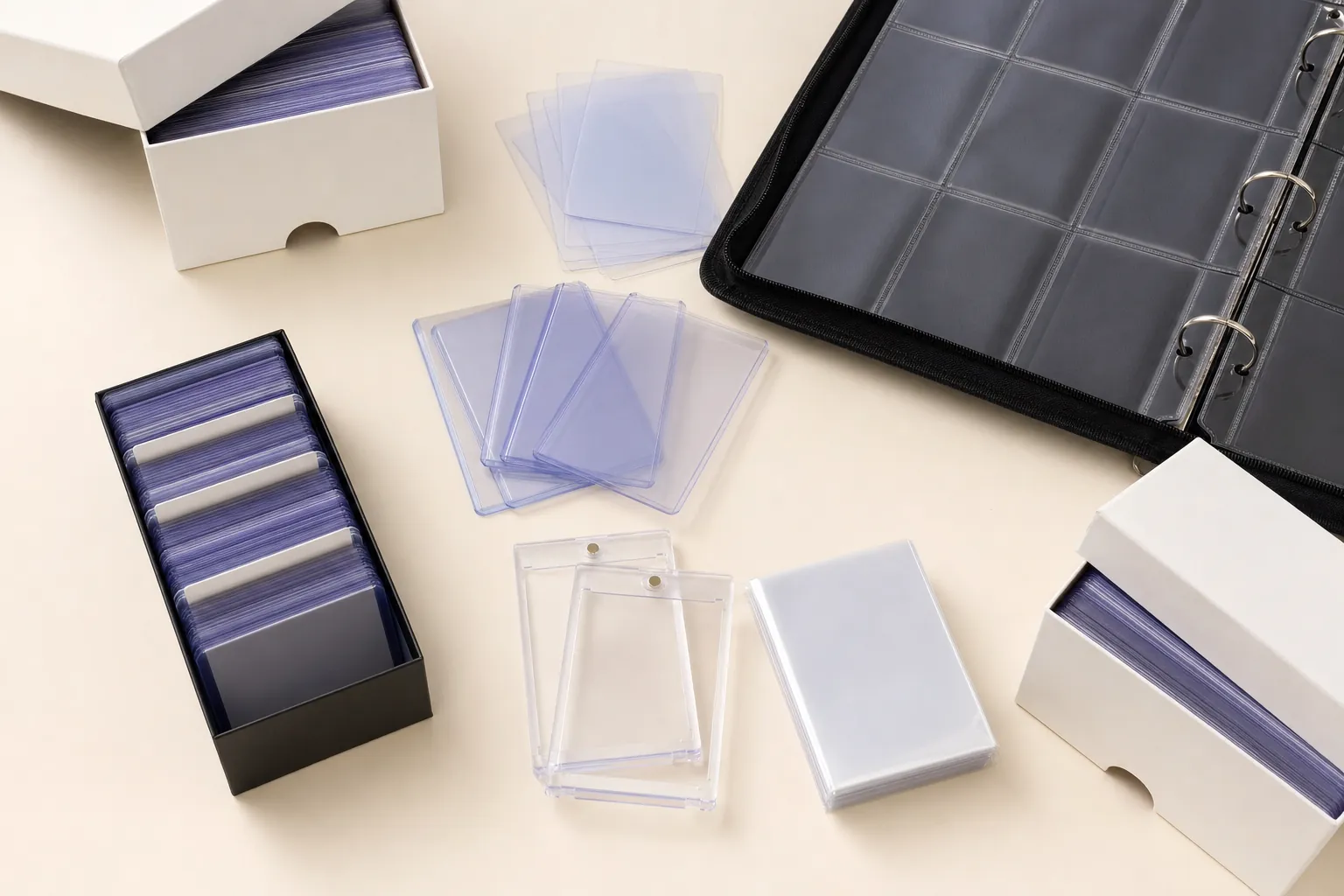
If you are holding the box sealed, give it a stable home. Keep it away from direct sunlight, humidity swings, pets and crowded shelves where corners get bumped. A clean storage bin or display case can help, but the basics matter more than fancy gear: stable temperature, dry air and enough space that the box is not under pressure. Keep it in the same condition you would hope to receive it.
If you pull cards you want to keep, protect them promptly. A soft sleeve is the first layer. A rigid holder, binder page or magnetic holder can be the next step depending on the card and how you want to enjoy it. Grading is a separate decision, not an automatic upgrade. PSA’s grading guidance is useful for understanding what a professional grading service evaluates, but a cleanly stored personal card can be worth keeping just as it is.
A simple checkout checklist
- I know whether I want to open, gift or keep this box sealed.
- The seller has a clear track record and a way to help if something goes wrong.
- The price makes sense beside comparable listings.
- The listing identifies the exact set, language and condition.
- The photos support the “sealed” claim and show the actual item when condition matters.
- I am comfortable walking away if something does not add up.
How Cardboard Superstars helps
At Cardboard Superstars, we believe a good hobby purchase should start with clear information and end with a box you are excited to have on your shelf. Browse our Pokémon collection for current sealed products, or visit the contact page if you have a question before you buy. We would rather help you find the right fit than rush you into the wrong one.
Frequently asked questions
Is a sealed Pokémon booster box always safe to buy?
No. Factory seal is an important signal, but it is only one part of a safe purchase. Buy from a seller with a clear track record, inspect the listing carefully and ask questions before you commit.
Should I buy a booster box to open or keep sealed?
Start with your goal. An opener should choose a set they genuinely enjoy, while a sealed collector should focus on condition, storage and a purchase price they can live with without needing a quick resale.
What should I do if a box arrives damaged or looks wrong?
Photograph the parcel, shipping label and product before opening it further. Contact the seller through the original order channel and keep the packaging until the issue is resolved.
KEEP EXPLORING
Related posts
Collector guidePokémon Sets Going Out of Print in 2026: What Collectors Should Watch
Learn the practical signs collectors can watch when deciding whether a Pokémon set may be getting harder to find.
 Collector guide
Japanese Pokémon Cards vs English: Which Is Right for You?
Compare Japanese and English Pokémon cards by collecting goal, release timing, sealed products, playability and buying confidence.
 Collector guide
Elite Trainer Box vs Booster Box: Which Should You Buy?
Compare Pokémon Elite Trainer Boxes and booster boxes by purpose, pack count, extras, budget, gifting and collecting goals.