START HERE
How to Start Collecting Pokémon Cards
You do not need a giant budget or a perfect first purchase. Pick a direction, protect the cards you love, and let the collection grow at your pace.
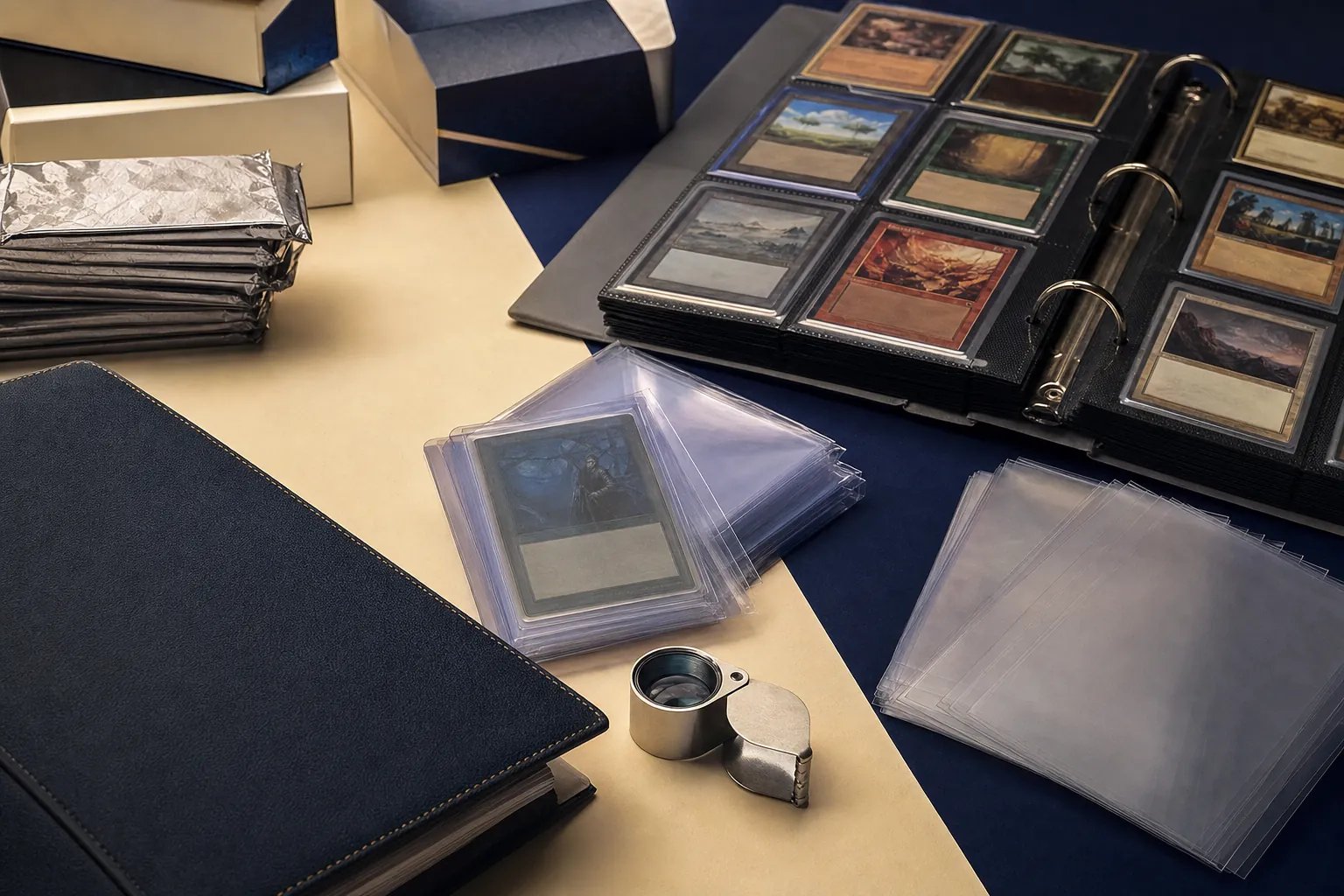
Starting a Pokémon card collection can feel bigger than it is. There are new releases, old favorites, shiny cards, sealed boxes, binders, grading talk, and plenty of people ready to tell you what you should buy. The good news is that you do not need to solve the whole hobby before you begin. You only need a first direction that feels like yours.
A strong collection is not the one with the most expensive cards in the shortest time. It is the one that gives you a reason to look through the binder, enjoy an opening, or smile when you see a favorite card on the shelf. This guide gives you a simple way to start without turning a fun hobby into homework.
Start with one collecting goal
Before buying packs or singles, choose a loose rule for what belongs in your collection. It can change later. The point is to give your first purchases a purpose. You might collect every card of a favorite Pokémon, build a binder around a recent set, look for illustration cards you genuinely like, collect one era you remember, or keep a small sealed shelf of products you are excited to own.
That rule makes choices easier. A favorite-Pokémon collection can grow one card at a time. A set binder gives you a clear checklist. A sealed shelf asks you to care about box condition and storage. None of these is more legitimate than another. What matters is that you can explain why a card belongs before you buy it.
If you also want to play, your starting point can be different. The official Pokémon beginner guide points new players toward Battle Academy, League Battle Decks, and local League events. Playing and collecting can overlap nicely, but you do not need to learn the game to enjoy collecting.
Choose a budget that leaves room for fun
Pick a number you would be comfortable spending this month, then treat it as the collection budget, not a challenge to beat. A small budget is enough to get started. It might cover a few packs, a couple of singles, and a basic sleeve-and-binder setup. Starting smaller gives you time to learn what you actually enjoy before you commit to a larger purchase.
Try separating the budget into three simple buckets: cards or sealed product, protection, and a little room for surprise finds. The protection part matters because a card you love deserves a safe home on day one. The surprise room prevents a neat plan from becoming so strict that it stops being fun.
Be especially careful about buying packs solely to chase one specific expensive card. Opening packs is a great experience when you like the set and would be happy with a range of pulls. When your goal is one exact card, buying that card directly can be the calmer, more predictable path. There is no prize for making the hobby more expensive than it needs to be.
Learn the difference between packs, boxes, and singles
You do not need to memorize every product format. You only need to know what experience you are buying. A single card is direct: you can choose the exact artwork, condition, language, and Pokémon you want. A booster pack is a small opening experience with an unknown result. A Booster Bundle gives you several packs without the larger accessory package. An Elite Trainer Box usually combines packs with useful extras, while a booster box is built around opening a larger number of packs from one release.
Read the listing for the exact product because contents can vary. Our Elite Trainer Box versus booster box guide makes the bigger product choice easier, and our guide to Pokémon Booster Bundles helps when you mainly want packs without the extras.
For a first purchase, favor the format that matches your goal. A few singles and a binder make sense for a favorite Pokémon. A small sealed product can make sense when you want the joy of opening. A larger box should be something you would enjoy even if the biggest possible pull never appears.
Keep your first collection easy to understand
At first, write down just four details when you buy a card or product: what it is, why you chose it, what you paid, and where it came from. That can be a note on your phone, a small notebook, or a card tucked into the front of a binder. It is not about treating cards like a spreadsheet project. It is about helping future you remember whether the purchase was for a favorite Pokémon, a set binder, an opening night, or a sealed display.
It also makes duplicates less frustrating. A duplicate can be a trade card, a deck card, a gift for another collector, or simply part of the memory of opening a product. You do not need to find a grand purpose for every card. A little structure means you can decide later without losing track of what you have.
Avoid the beginner traps that drain the fun
The fastest way to lose momentum is to chase every new release, buy only because a listing says "low stock," or judge every opening by whether it produced a huge pull. Those habits put the market in charge of a hobby that should be personal. Give yourself a day to think about a larger purchase, compare the actual product details, and ask whether it still belongs in the collection when the excitement settles.
Another easy trap is delaying protection because the collection feels too small to matter. The first card you truly love is exactly the card you will wish you had sleeved. Start simple and improve your setup only when the collection gives you a reason. Patience is not boring in this hobby. It is how you leave room for the cards, sets, and experiences that genuinely become favorites.
Pick a set because you like it, not because it is loud
New sets always come with excitement, and older sets always come with stories. Neither is a reason by itself to spend money. Look at the Pokémon featured in a set, the artwork, the card style, and the kind of product you can realistically find. The official Pokémon Trading Card Game page is a useful place to confirm current products and learn what a release is actually called before comparing listings.
A current set can be comfortable for a beginner because it is often easier to find and gives you time to decide whether you want to build a binder around it. An older set can be a great fit when it has personal meaning, but condition, authenticity, and budget deserve more attention. You do not have to collect every card in every set. A favorite character, an art style, or a ten-card mini collection can be a complete success.
Language is another choice, not a quality score. English, Japanese, and Korean products can all be meaningful additions when the exact release and presentation fit what you enjoy. If you are comparing versions, start with the language you want to collect and the product format you understand, then use our Japanese versus English Pokémon cards guide to sort out the practical differences.
Do not feel pressured to make a set binder complete immediately. Leaving a few blank pockets can be part of the fun. It gives a later pack opening, trade, or single-card purchase a clear place to go. A collection has more personality when it grows from real preferences instead of a rush to make every page look finished.
Buy safely and keep the first purchases simple
Start with sellers who make it easy to understand what they are offering. Good listings name the product, language, condition, and relevant details clearly. They show useful photos when condition matters and give you a real route for help if something goes wrong. An unusually cheap listing is not automatically a bargain when the details are vague or the product photos do not match the description.
For sealed product, compare a few listings before deciding what normal pricing looks like. For singles, look closely at the card condition and make sure the photo represents the card you will receive when that matters. Our booster box buying checklist covers the same calm, repeatable checks for larger sealed purchases, while the fake-pack guide explains the warning signs that deserve a pause.
You are allowed to walk away from a listing. Another card or another box will come along. A collection gets better from decisions you are comfortable with, not from buying under pressure.
Protect cards from the first day
Protection does not need to be complicated. A clean soft sleeve is the everyday first layer for a card you want to keep. A binder is a natural choice for cards you want to view and organize. A rigid holder can make sense for a favorite card, a trade card, or something you want to store separately. The goal is not to put every common card in expensive gear. The goal is to stop avoidable scratches, bends, and loose piles before they happen.
Our sleeves and toploaders guide explains the basic options, and the Pokémon card storage guide helps you choose a binder, box, and sensible place to keep the collection. A simple binder and a few sleeves can do more for a new collection than an elaborate setup you never use.
Build a small routine you will actually keep
Every time you open packs or bring home cards, take five minutes to sort them. Sleeve the keepers. Put binder cards in a small filing pile. Set aside duplicates for trading, deck building, or later sorting. Store the rest upright in a box rather than letting the stack drift around a desk or backpack.
Write down the small things that help you remember why you bought a card: the set, the Pokémon, the artwork, the person you opened with, or the trade that found it. You do not need an app or a spreadsheet unless you enjoy using one. A collection works best when its organization matches the way you actually return to it.
Let your collection change as you learn
Beginners often worry about choosing the wrong lane. There is no permanent decision here. You may begin with modern packs, then discover you enjoy collecting one Pokémon. You may build a set binder and later decide singles are more satisfying. You may love opening product with friends but have no interest in keeping sealed boxes. That is not a mistake. It is the hobby teaching you what belongs in your version of it.
Keep the purchases that still feel right, trade or sell the parts that do not, and make the next choice with a little more information. The most useful rule is simple: buy cards and products that you will be happy to own, even when the online noise moves on.
A first-week Pokémon card collecting plan
- Day one: Choose one theme, such as a favorite Pokémon, a recent set, or artwork you enjoy.
- First purchase: Buy a small number of packs, a few singles, or one beginner-friendly product that fits that theme.
- Protection: Pick up sleeves and a binder or card box before the cards start piling up.
- After opening: Sleeve your favorites, sort the rest, and keep cards upright and dry.
- Next purchase: Use what you learned from the first one. Do not rush to make the collection look finished.
How Cardboard Superstars helps
Cardboard Superstars makes it easier to start with a product you are genuinely excited to open, collect, or give. Browse the current Pokémon collection for sealed products and cards, then visit collector supplies for sleeves, holders, and storage. If you are deciding between a few products, the contact page is there for a straightforward pre-purchase question.
Frequently asked questions
How much money do I need to start collecting Pokémon cards?
You can begin with a small budget. Pick one collecting goal, buy a few cards or packs you genuinely want, and leave room for basic sleeves and storage. A collection does not need to begin with an expensive box.
Should a beginner buy Pokémon packs or single cards?
Both can fit. Packs are for the fun of opening and discovering cards. Singles are the direct route when you know exactly which card or Pokémon you want. Many collectors enjoy a small mix of both.
What Pokémon cards should a beginner collect?
Start with something personal: a favorite Pokémon, a set whose artwork you like, a character, or a simple binder theme. A clear focus makes it easier to enjoy the cards you buy and easier to stay within budget.
Do I need to know how to play the Pokémon Trading Card Game to collect?
No. You can collect purely for the artwork, memories, set-building, or sealed products. If you want to learn to play, official beginner products and local Pokémon League events can provide a welcoming next step.
KEEP EXPLORING
Related posts
 Collector guide
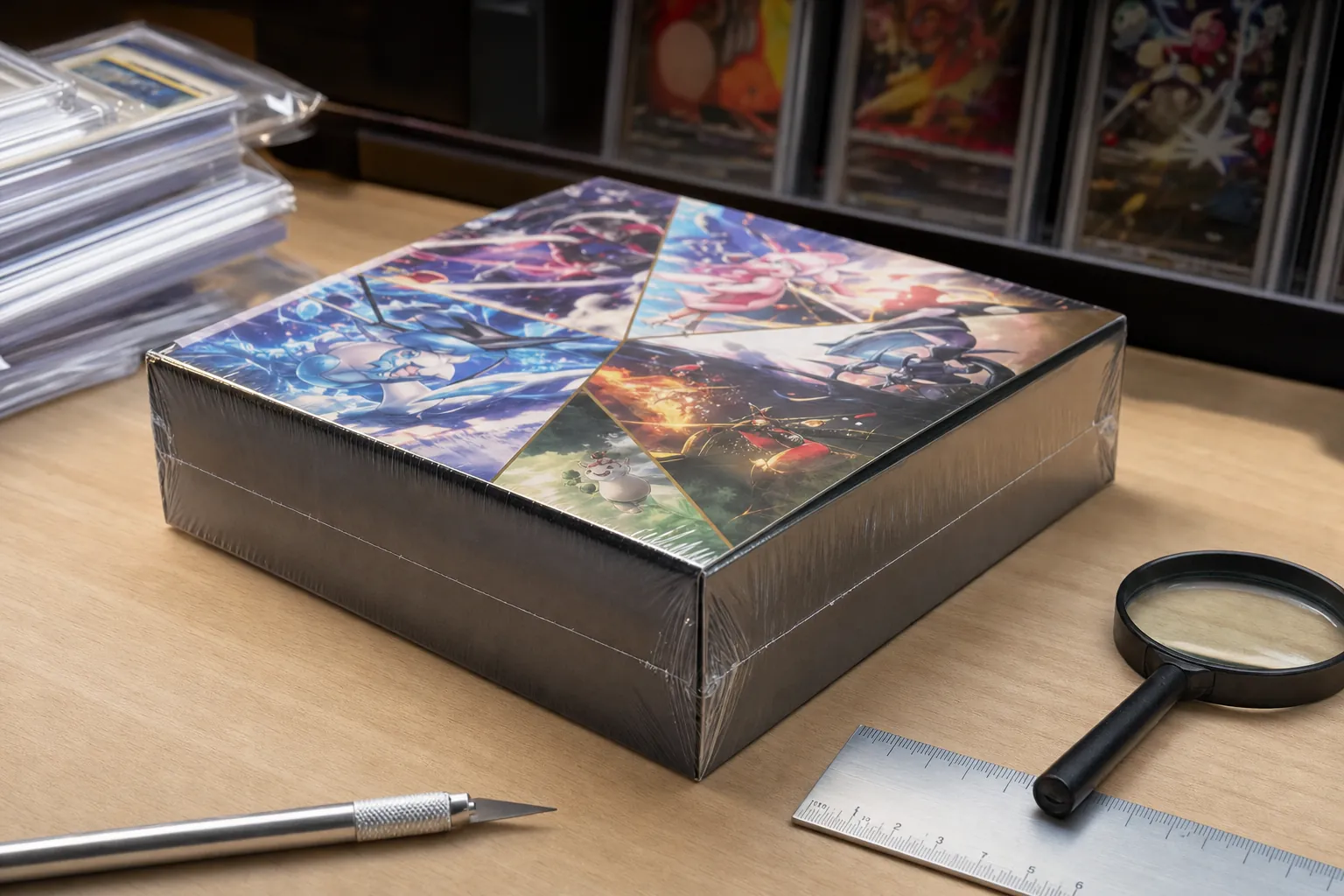
Pokémon Sets Going Out of Print in 2026: What Collectors Should Watch
Learn the practical signs collectors can watch when deciding whether a Pokémon set may be getting harder to find.
Collector guideHow to Buy Pokémon Booster Boxes Safely
A practical checklist for choosing a seller, inspecting sealed product and buying the right box for your collection.
 Collector guide
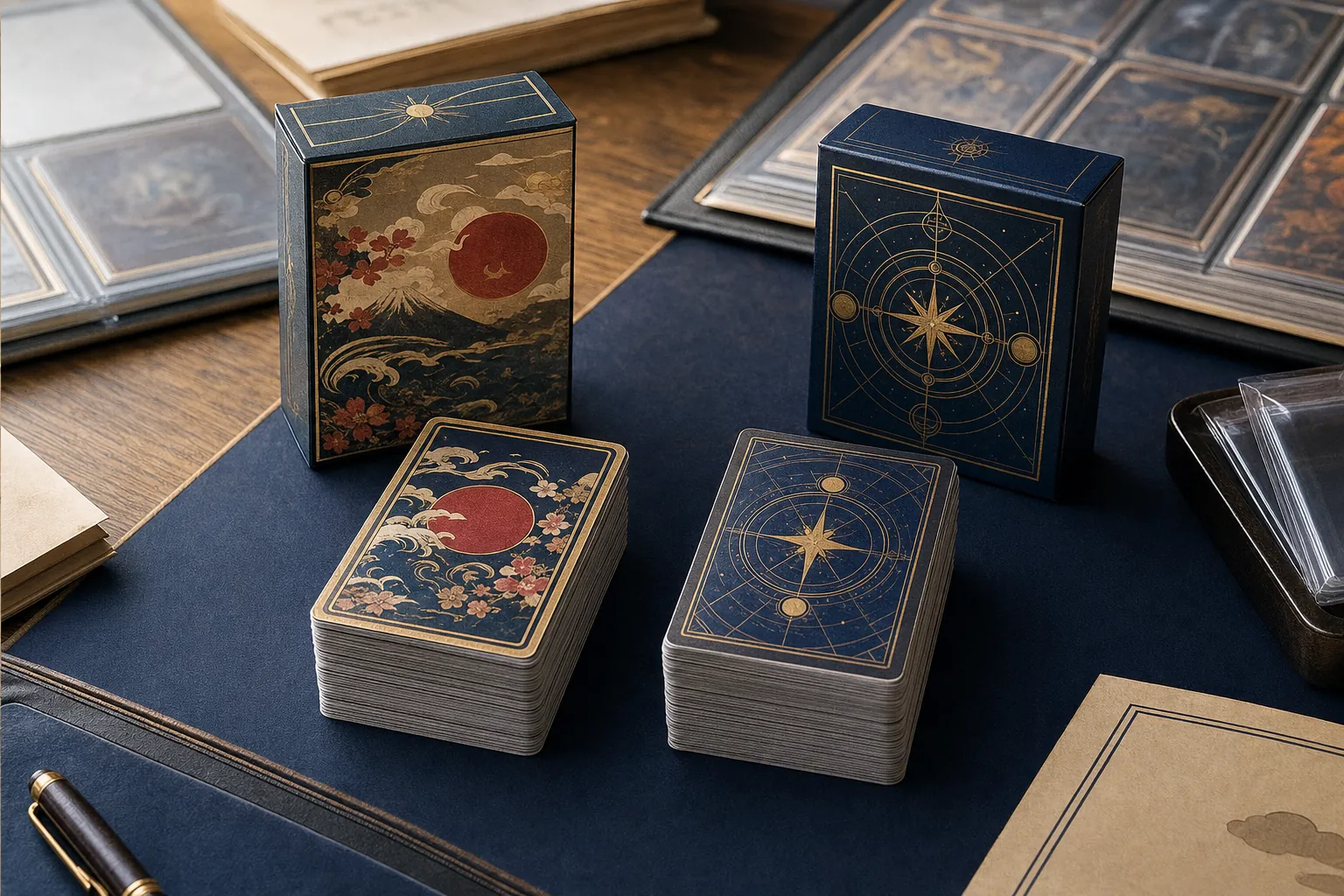
Japanese Pokémon Cards vs English: Which Is Right for You?
Compare Japanese and English Pokémon cards by collecting goal, release timing, sealed products, playability and buying confidence.