
PROTECT YOUR COLLECTION
How to Store Pokémon Cards: A Collector's Guide
A simple storage plan keeps the cards you enjoy easy to find, safe to handle, and ready for the next binder page, trade, or display.
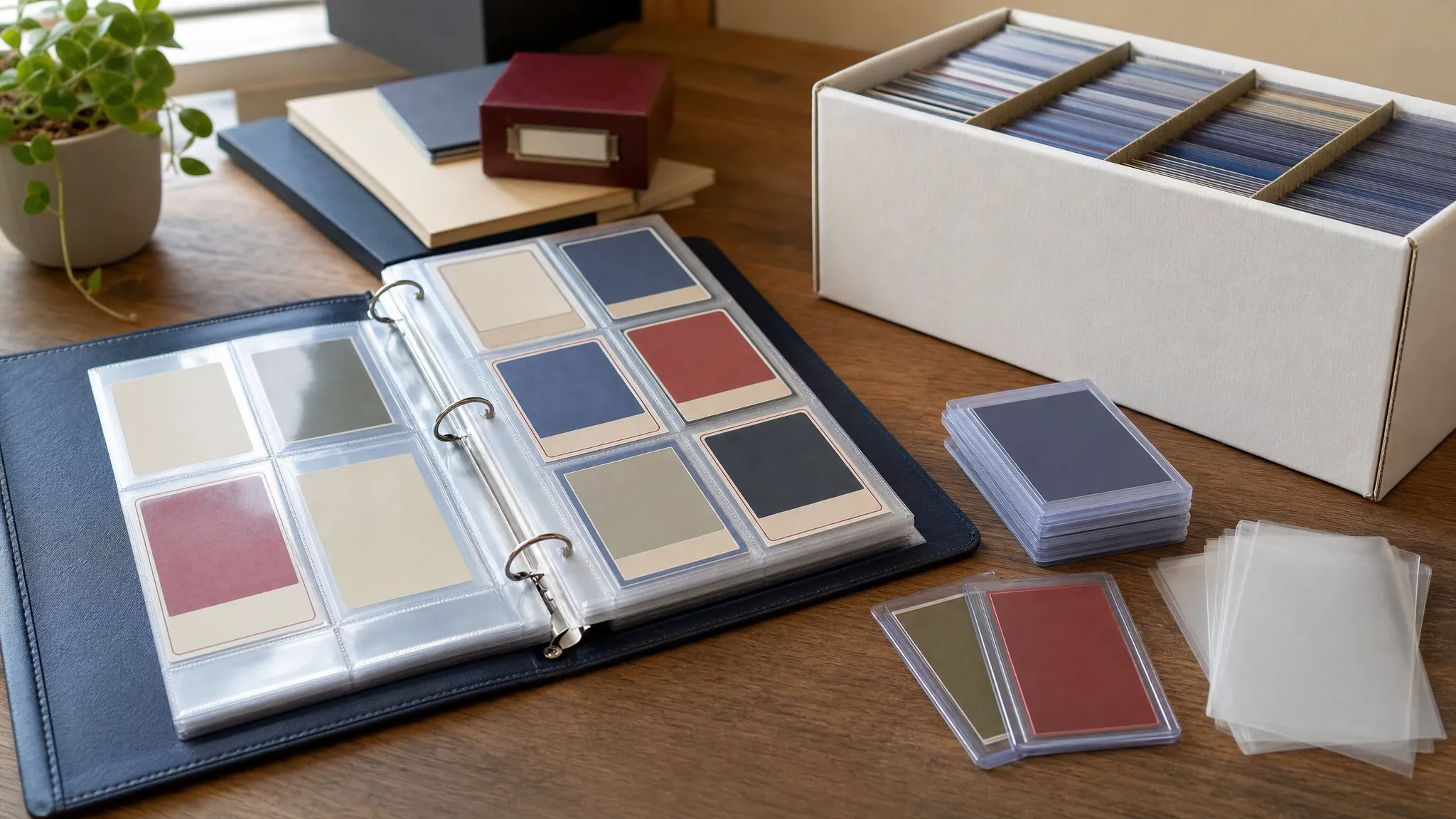
Learning how to store Pokémon cards does not require a museum-sized budget or a wall of plastic cases. It starts with a few ordinary habits: protect the cards that matter to you, give every group of cards a clear home, and keep the collection away from the things that cause everyday damage. A card can pick up a scuff, bend, moisture mark, or sun fade long before it feels "valuable enough" to protect.
The right setup also makes collecting more enjoyable. When your binder is easy to browse, your loose cards are sorted, and your favorite pulls are not squeezed into a random drawer, it is much easier to build a set, prepare a trade, show a friend what you pulled, or decide what belongs on display. This guide walks through a practical system that grows with the hobby.
Start by sorting cards by purpose
Before buying more storage, make four simple piles: cards for a binder, favorite or higher-value cards, cards for play or trades, and bulk. The point is not to decide a card's future price. It is to decide what you want to do with it. A card you want to page through needs a different home from one you want to mail, display, or keep untouched in a box.
Binder cards are the cards you want to see together. Favorites are the cards you would be disappointed to scuff, even if they are not professionally graded. Play and trade cards need quick access. Bulk needs a simple, clean place that does not bend the corners or leave you digging through loose stacks. Once each card has a job, the storage choice becomes much less complicated.
Do not let a crowded desk make the decision for you. A card left in a random pile is much more likely to get handled, bumped, or misplaced. Even a small collection feels more intentional when a new pull goes directly into the right sleeve, page, or box.
Use a soft sleeve as the first layer
For a card you want to keep clean, a soft sleeve is the easy first move. It helps protect the surface from light handling, binder friction, and the small marks that can appear when cards rub against one another. Sleeve cards before putting them into a binder page, rigid holder, deck box, or storage box. The sleeve is not the entire solution, but it gives the card a useful buffer.
Handle cards by the edges and keep food and drinks away from the workspace. That sounds obvious until an opening session gets exciting. Clean, dry hands and a clear table make a real difference. The Library of Congress' basic paper-care guidance points to the same long-term idea: careful handling and a stable environment help paper collections last.
Use a fresh sleeve when one looks cloudy, split, dusty, or stretched. A sleeve is inexpensive compared with the annoyance of discovering a surface scuff after a card has been sitting in a damaged one for months. For practical options, browse the store's collector supplies before you start moving a pile into permanent storage.

Choose binders for cards you want to enjoy
A binder is a great home for cards you want to browse, organize by set, or show to another collector. Look for pages that load from the side when possible, since the card is less likely to slide out during normal handling. A zip binder adds another layer against dust and accidents, especially if the binder lives on a shelf or travels to a trade night.
Do not overfill it. Pages that bow outward, cards that feel tight in the pockets, and binders stuffed with too many loose inserts can put pressure on corners. Leave room for the binder to close comfortably, then store it upright or flat based on how it is built and how full it is. The key is to avoid bending the pages under their own weight.
A binder is also a useful decision tool. When you can see a set coming together, you are less likely to buy duplicate cards by accident and more likely to notice the few cards you actually want to chase. If you are collecting across languages, the Japanese versus English Pokémon cards guide can help you choose a binder plan that matches the versions you enjoy most.
Use rigid holders for favorite cards
For a favorite pull, a card you might trade later, or a card that needs more protection than a binder page, move up to a rigid holder. A top loader is a familiar option because it helps prevent bends and gives the card more structure for storage, display, or a trade box. Put the card in a soft sleeve first, then slide the sleeved card into the holder carefully.
Rigid holders are useful, but they still need a good home. Do not toss a stack loose into a backpack or drawer where the corners can hit other hard objects. Keep them in a fitted storage box, a divider section, or a display area where they are not constantly shifting. For cards on the move, use a snug case or box rather than relying on the top loader alone.
There is no need to top load every card you own. Save rigid holders for cards that deserve the extra protection because you love them, plan to trade them, or want to keep them in especially clean condition. The store's Pokémon card sleeves guide can help you compare the common protection choices without turning a simple purchase into a research project.
Give bulk cards a real home
Bulk cards are still cards. They often become the stack you use for deck building, trading, teaching a new player, or finding an overlooked favorite later. The goal is not to sleeve every common card individually. The goal is to keep them upright, dry, and sorted enough that they do not turn into a bent mystery pile.
A purpose-made card storage box with dividers is often the most practical answer. Sort by set, type, era, Pokémon, or whatever category you will actually use when looking for a card. A system you can keep is better than a complicated label plan you abandon after two weeks. Leave a little room in each section so the cards can be removed without pinching the edges.
For a smaller collection, a clean deck box or small storage case may be enough. Just avoid rubber bands, loose stacks under heavy objects, and boxes that are too large for the cards. Pressure, friction, and shifting are what create many of the dings collectors later wish they had prevented.

Pick a stable place for the collection
Where you store Pokémon cards matters just as much as what you put them in. A stable indoor room is usually the easiest choice. Aim for a clean, dry space away from direct sunlight, heating vents, open windows, and places that regularly get hot or damp. You do not need to obsess over the room. You do need to avoid the obvious problem spots.
Garages, sheds, attics, and unfinished basements can be risky because their temperature and moisture levels often change more than the rest of the home. A damp basement can affect cardboard boxes and binder pages. A hot car or sunny shelf can make plastic sleeves and packaging less pleasant to live with. If the room is uncomfortable for you for long stretches, it is probably not the first choice for a long-term card collection.
Keep storage off the floor when practical, especially near a window, water pipe, or basement wall. A shelf, cabinet, or storage unit gives the collection more distance from dust, accidental spills, and the small household surprises that tend to find a cardboard box first.
Store sealed Pokémon boxes without crowding them
Sealed product needs a slightly different approach. A booster box, Elite Trainer Box, or collection box can show corner wear quickly when it is crammed into a shelf, stacked under heavier boxes, or moved around without a plan. Give boxes room to sit squarely, keep them out of direct sunlight, and avoid piling weight on top of packaging you want to keep clean.
A fitted clear protector can be useful for a box you want to display or hold long term. It helps with dust and everyday handling, but it does not replace careful placement. A clean shelf with enough room around each box is usually more valuable than a complicated storage display. The Pokémon booster box protector guide explains what to look for when you want that added display layer.
Before buying a sealed box, think about where it will live. The same check belongs in a good purchase decision. Our guide to buying Pokémon booster boxes safely can help you choose the right box and seller first. Storage is much easier when the item arrives in the condition you wanted.

Make storage part of opening day
The easiest way to keep a collection organized is to make the first five minutes after opening part of the routine. Set out sleeves before you open packs. Put favorite pulls into sleeves right away. Move binder cards to a small "to file" pile rather than leaving them on the table. Put bulk into its labeled box before the next opening session begins.
This routine keeps the fun intact because it removes the stressful cleanup later. It also helps you see what you actually pulled. A card that survives the excitement of opening and still earns a place in your binder or favorite-card box is usually a card you will enjoy longer than a pile you forget about by the next release.
For sealed product, decide whether the box is for opening or display before it arrives on the shelf. The Elite Trainer Box versus booster box guide is useful when you are still choosing the type of experience you want. A clear reason for buying makes storage simpler afterward.
A simple Pokémon card storage checklist
- Favorite cards: Soft sleeve first, then a rigid holder or a secure binder page.
- Set cards: Side-loading pages in a binder that can close without pressure.
- Play and trade cards: A deck box or sorted trade box that is easy to carry safely.
- Bulk: An upright card box with room for dividers and easy access.
- Sealed boxes: A stable shelf, no direct sun, no crushing stacks, and a fitted protector when display condition matters.
- Storage space: Clean, dry, steady, and away from spills, heat, and damp corners.
Start with the collection you have, not the collection you imagine owning someday. A few sleeves, one good binder, and a clean storage box can do more for a new collector than an expensive setup that never gets used. Add more structure when the hobby gives you a real reason to need it.
How Cardboard Superstars helps
Cardboard Superstars gives collectors a clear path from the card they just pulled to the supplies that help keep it in good shape. Browse collector supplies for sleeves, holders, and storage, or use the Pokémon card sleeves guide when you want to compare protection options before buying.
When a sealed product is headed to the shelf, explore booster box protection. When you are still deciding what to open next, browse the current Pokémon collection and use the contact page for a product question before checkout.
Frequently asked questions
What is the best way to store Pokémon cards?
The best setup depends on the card and how you enjoy it. Start valuable or favorite cards in a soft sleeve, then use a rigid holder or a binder for the next layer. Keep bulk cards in a clean card box, and store everything in a dry, stable room away from direct sunlight.
Should Pokémon cards go in sleeves before a binder?
Usually, yes. A soft sleeve is a simple first layer against surface scuffs while the binder page keeps cards organized. Use side-loading pages and a zip binder when you want added protection from dust, bending, and accidental spills.
Are top loaders better than binders for Pokémon cards?
Neither is better for every card. Binders are useful for sets and cards you want to browse. Top loaders are a better fit for a favorite card headed to a display, trade, storage box, or shipping pile. Sleeve the card first either way.
Can Pokémon cards be stored in a garage or basement?
It is usually safer to avoid places that swing between hot, cold, damp, and dry. A stable indoor room is easier on cards, binders, and cardboard storage boxes. Basements and garages can work only when they stay consistently clean, dry, and climate controlled.
How should I store sealed Pokémon booster boxes?
Keep sealed boxes out of direct sunlight and away from moisture, crowded stacks, and high-traffic edges. A stable shelf with enough room around each box is a strong start. A fitted clear protector can help with dust and everyday handling when the box is meant for display.
KEEP EXPLORING
Related posts
 Collector guide
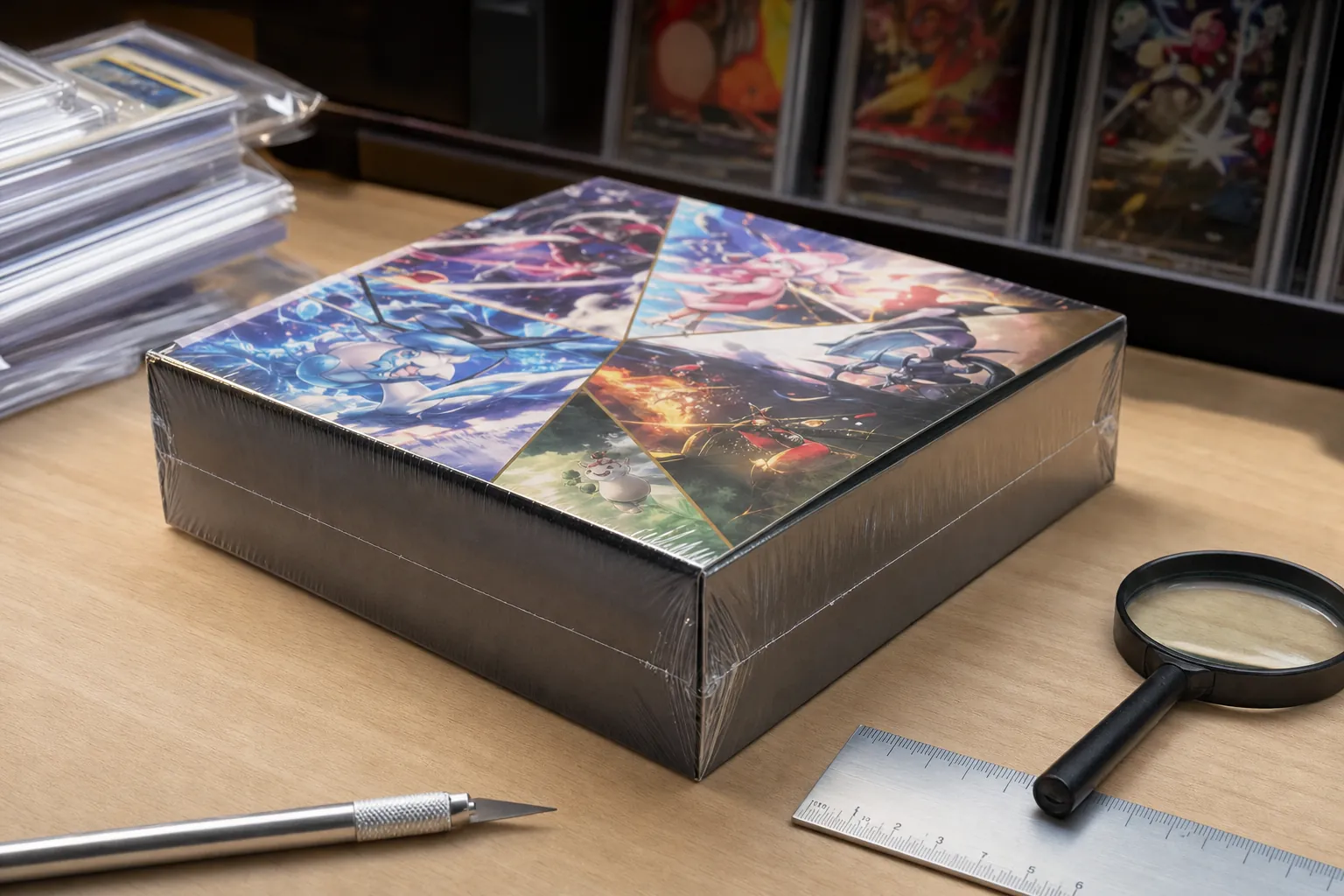
Pokémon Sets Going Out of Print in 2026: What Collectors Should Watch
Learn the practical signs collectors can watch when deciding whether a Pokémon set may be getting harder to find.
Collector guideHow to Buy Pokémon Booster Boxes Safely
A practical checklist for choosing a seller, inspecting sealed product and buying the right box for your collection.
 Collector guide
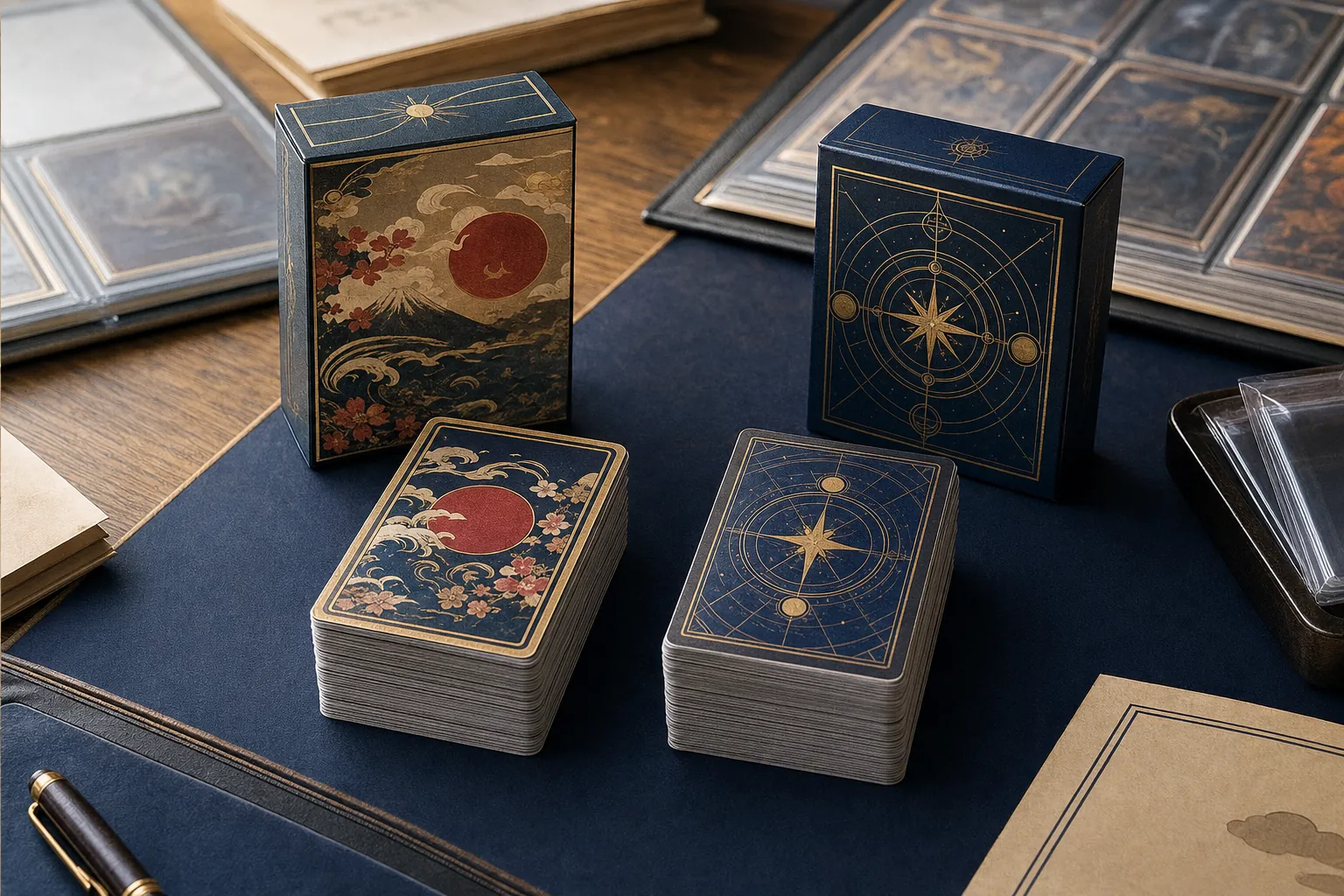
Japanese Pokémon Cards vs English: Which Is Right for You?
Compare Japanese and English Pokémon cards by collecting goal, release timing, sealed products, playability and buying confidence.