
SPORTS CARD COLLECTING
How to Start Collecting Sports Cards
A simple, collector-first plan for picking a focus, making your first purchases, and keeping the cards that matter safe.
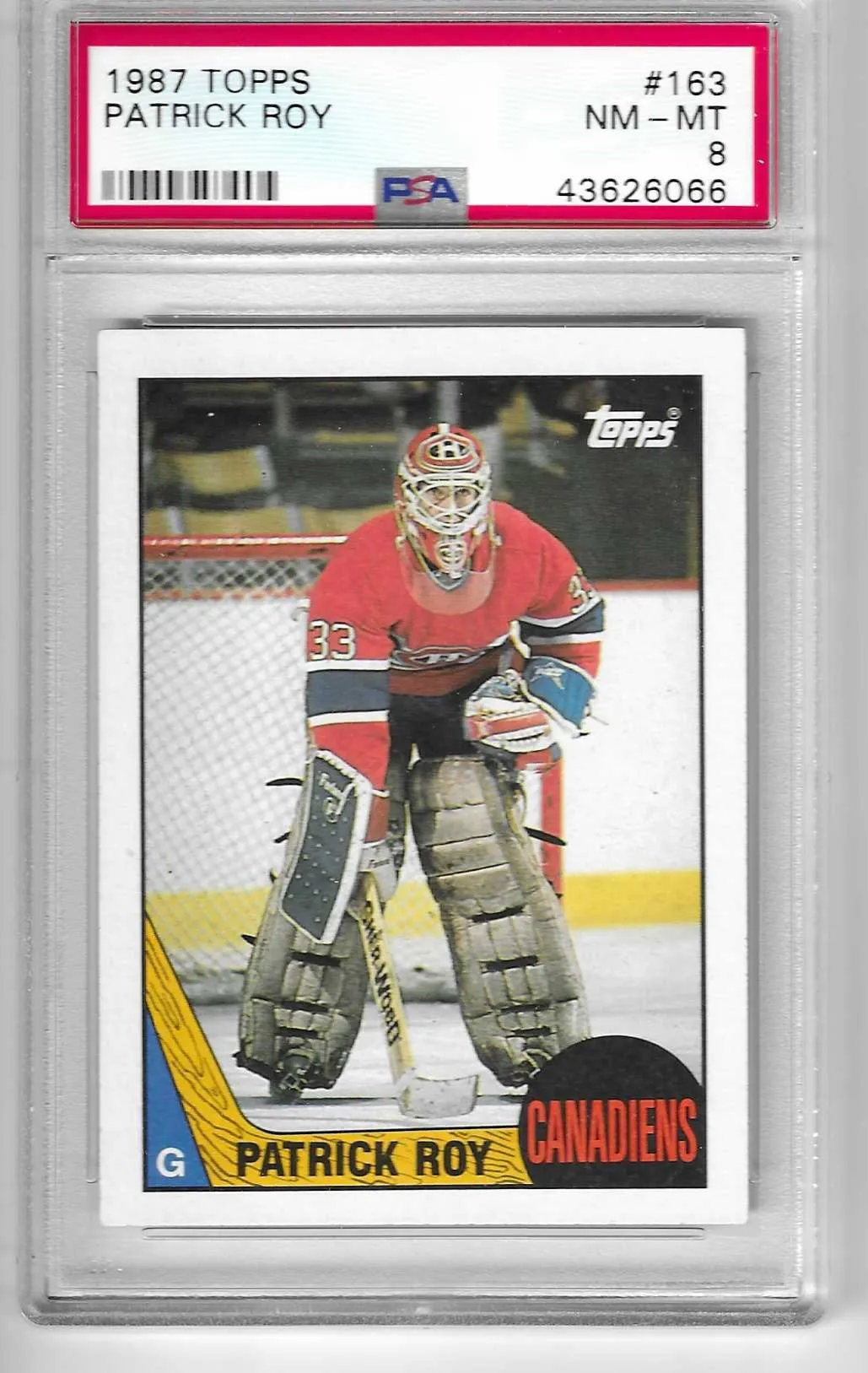
Starting a sports card collection can feel oddly complicated. There are decades of sets, every major sport has its own rhythm, and every price list seems to point somewhere different. The good news is that you do not need to know all of it before you begin. You need a reason to collect, a budget you can enjoy, and a small routine that keeps the hobby feeling like yours.
The strongest collections rarely begin with a perfect investment thesis. They begin with a connection: the team you watched with family, a player whose career you followed, an era you remember, a rookie class you are excited about, or simply a card design you cannot stop looking at. That connection gives the collection a shape, and it gives you a better filter when the next shiny listing appears.
1. Pick one collecting lane to start
A beginner does not need to choose a lane forever, but one clear starting point makes every decision easier. You might collect one team, a favourite player, a single sport, a specific year, rookie cards, vintage cards, or a set you want to complete. The goal is not to pick the most impressive answer. It is to choose something you will still enjoy sorting through on an ordinary Tuesday.
Try finishing this sentence: “I want to collect cards that remind me of ___.” If the answer is a team, start there. If it is a player, choose a few cards that show different moments in that career. If it is a particular season, decide whether you want base cards, inserts, autographs, or simply the designs you like. A focused first page in a binder is more satisfying than a box of random cards you no longer remember buying.

2. Set a hobby budget before you browse
Sports cards can fit many budgets, which is one of the hobby’s best features. You can enjoy a meaningful collection through affordable singles, a small sealed product purchase, a few carefully chosen vintage cards, or a larger premium card when it genuinely matters to you. What gets uncomfortable is buying first and deciding what it meant later.
Give yourself a monthly or per-purchase number that leaves room for the rest of life. Then divide it in a way that matches how you collect. For example, a collector who wants one specific player might put most of the budget toward singles. Someone who enjoys opening might reserve a smaller amount for packs or a box, while keeping some aside for the card they want if the opening does not deliver it. There is no prize for spending faster.
When you compare prices, compare the exact card or product, not just the headline. A different year, parallel, condition, grading company, language, or box format can make two listings look similar while offering very different things. Add shipping and tax before you decide a deal is really a deal.
3. Learn the difference between singles and sealed product
Singles give you control. If you want a particular player, team, rookie, or design, buying the card directly is the clearest way to get it. You can compare photos, condition, and price before committing, then put the card into the collection right away. This is especially useful when you have one card in mind and would be disappointed if a pack did not contain it.
Sealed packs and boxes offer a different kind of enjoyment. They are about discovery, a shared opening, and the possibility of surprises. They are not a promise of a specific player, autograph, or high-value pull. Buy sealed product because you like the release and the experience, not because one chase card has convinced you every box will be a winner. Our guide to buying sports card hobby boxes explains what to compare when you are ready to explore a box.
4. Buy cards you can describe clearly
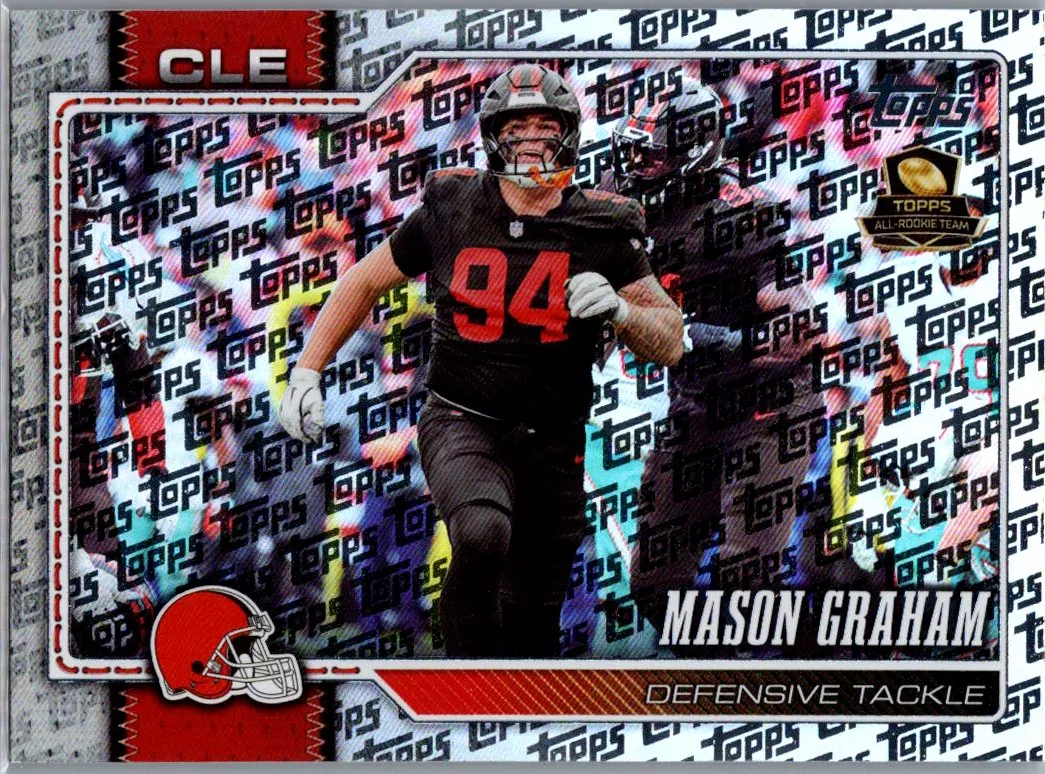
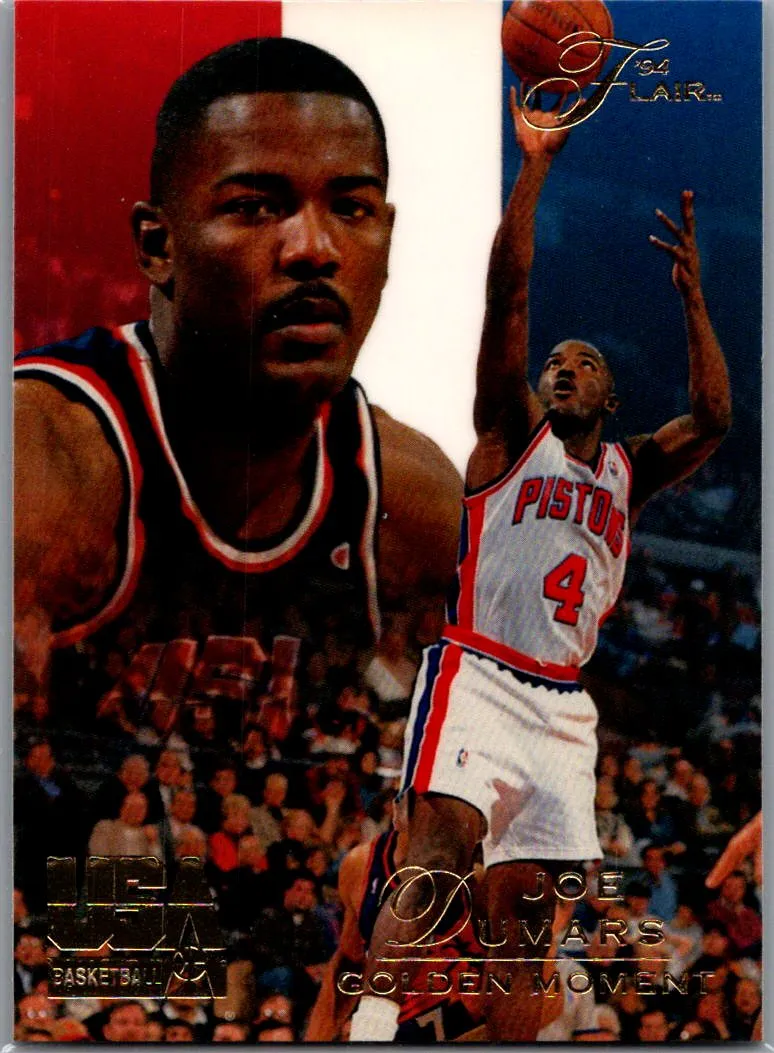
Before buying a single, get comfortable reading the listing. The key facts are usually the player, year, brand, set, card number, variation or parallel, and condition. If a card is graded, look at the grading company and grade, but keep your own eyes involved too. A slab tells part of the story. The card, its centering, surface, corners, edges, and the photos still matter to a collector deciding whether it belongs in the collection.
For ungraded cards, use clear front-and-back photos when condition matters. A card described as “near mint” can still have a small flaw that matters to you, while a well-loved card may be exactly right for a player collection at a sensible price. Ask questions before checkout when the listing leaves a real gap. A good seller should be able to clarify the item without making you feel difficult for caring.
There is no need to make every first purchase a complicated research project. Start with cards that are easy to understand, easy to enjoy, and priced comfortably. Your eye for details will grow through looking at real cards, comparing listings, and learning what you personally value.
Make the card, not the hype, the reason to buy
Sports cards are full of exciting moments: a breakout game, a trade, a new rookie class, a throwback release, or a headline-grabbing auction. Those moments can make a card feel urgent. Before you buy, separate the excitement around the player from the reason the card belongs in your collection. Would you still be happy to own it if the news cycle moved on next week? Does it fit the player, team, era, or visual theme you chose at the beginning?
This is not a rule against collecting current players or rookies. It is a reminder to make a decision you can explain to yourself. A card can be a fun gamble, a favourite design, a personal memory, or a carefully chosen centrepiece. Each is valid when you name it honestly. Trouble starts when a collector treats every purchase as all of those things at once, then feels disappointed when the card does not behave like an investment, a guaranteed pull, and a lifelong favourite at the same time.
A useful pause is to make a short want list. Add the player, year, set, and a price range you would be comfortable paying. The list does not have to be rigid. It simply gives you something better to consult than the fear that another listing might disappear first.
5. Protect the cards you decide to keep
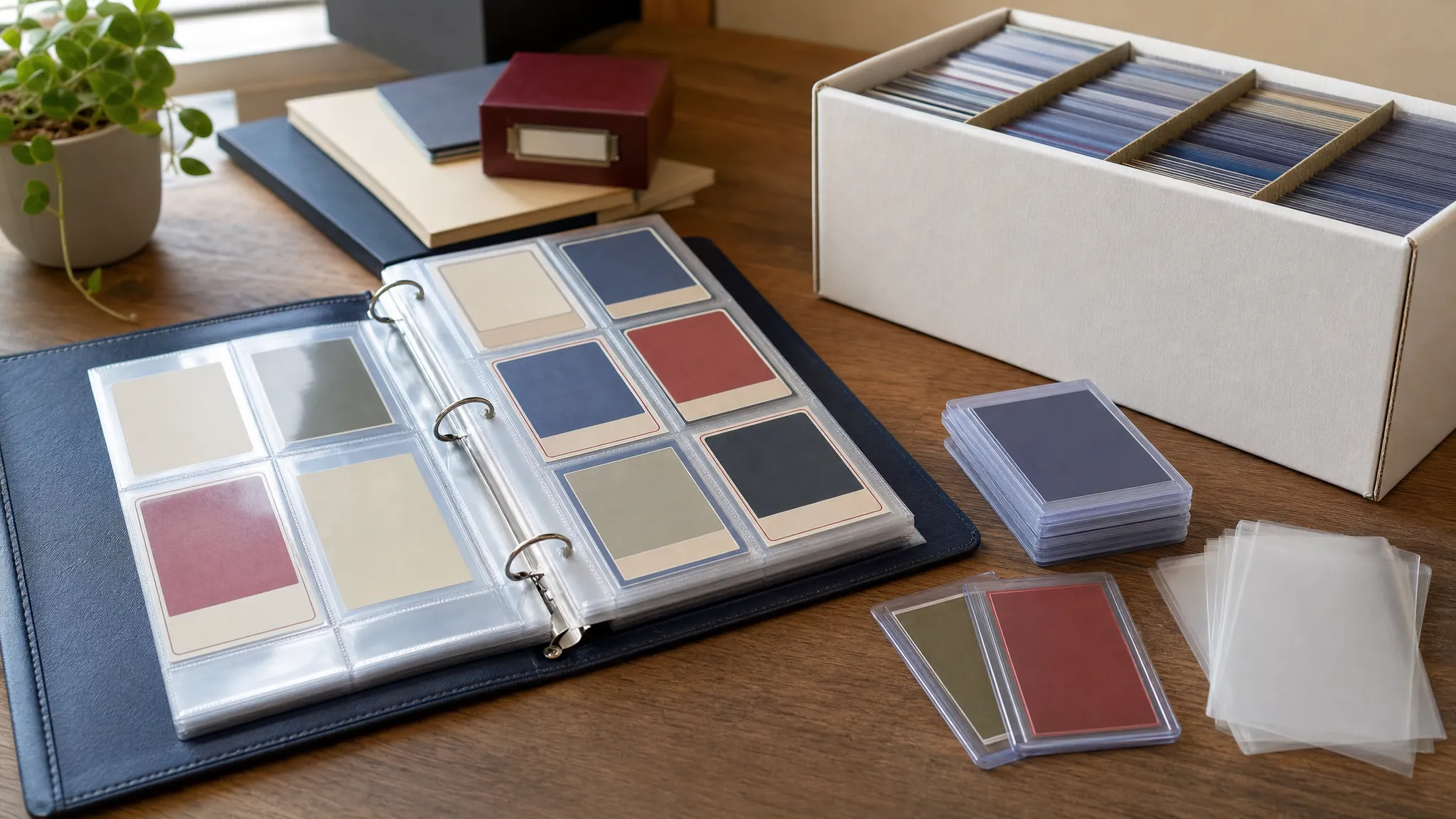
Protection is less glamorous than the first card purchase, but it is what lets you enjoy that purchase for years. A soft sleeve is a good everyday first layer for cards you value. A binder is useful for cards you want to browse. A rigid holder can make sense for a favourite card you want to display, set aside, trade, or mail. Bulk and duplicates belong in a clean, divided storage box rather than loose piles.
Keep the collection away from direct sunlight, moisture, food, crowded tabletops, and big swings in temperature. Do not force a thick card into a standard pocket or overfill a binder until pages bend. The goal is simple: the cards should be easy to find, safe to handle, and ready to enjoy. The Library of Congress guidance for paper collections is a useful reminder that stable, dry, low-light storage helps preserve items made from paper and cardboard.
6. Create a five-minute routine for every new card
The easiest way to keep a collection enjoyable is to give each new card a home before it becomes part of a mystery pile. After a purchase, trade, or opening, sort the cards into a few simple groups: keepers, binder cards, duplicates, trade or sale cards, and bulk. Sleeve the cards that matter to you, then file them using the same rule each time.
Your rule can be very simple: player first, then year. Or team first, then card number. Or one binder per sport. The perfect system is the one you can keep using after a busy week. A small note in your phone or a spreadsheet can be helpful for tracking cards you own or still want, but it is optional. The physical collection should make sense even if you never build a formal checklist.
Find community without letting it choose for you
Card shows, hobby shops, online groups, friends, and local trade nights can all make collecting more social. They are good places to see cards in person, learn how other collectors organize their collections, and discover a player or set you had not considered. Bring a short want list and a spending limit when you go. Those two small habits keep a fun afternoon from turning into a bag of purchases you need to explain later.
When trading, be clear about condition and what each person is offering. It is fine to say no, ask for time to think, or stick to a smaller trade while you learn. A healthy collecting community does not require you to know everything on day one. The right people will be happy to talk about the cards, not just pressure you to move faster.
7. Let the collection teach you what comes next
Once you have a small group of cards, notice what you reach for. Maybe you enjoy the art and design more than the player. Maybe you like building one team’s history. Maybe the thrill of a sealed opening is more fun with friends than alone. Maybe you want to learn more about vintage condition or modern parallels. Those preferences are useful information, not a test you can fail.
It is also fine to change course. A player collection can become a team binder. A rookie-card goal can become a favourite-era display. Cards that no longer fit can become a trade stack, a gift, or a small sale that funds the next thing you care about. Collecting works best when the rules serve your interest, not when you feel trapped by the first thing you bought.
A simple first-month plan
- Choose one starting focus: a player, team, sport, set, or era.
- Set a comfortable budget for cards and basic protection.
- Buy one to three singles you would genuinely like to keep.
- Choose one sleeve, binder, holder, or storage solution that fits those cards.
- Make a small want list instead of impulse-buying every familiar name.
- After a month, keep what feels fun and adjust what does not.
How Cardboard Superstars helps
Cardboard Superstars makes it easy to browse across baseball, football, basketball, and hockey cards without needing to commit to one kind of collector first. Use the sports card singles page when you want to search by player or team, and visit collector supplies when the cards you keep need a safer home. When you are ready for a different kind of opening, the current release calendar can help you compare what is coming next.
Frequently asked questions
How much money do I need to start collecting sports cards?
Start with a budget that feels comfortable after basic protection and storage. A few singles you genuinely like can be a better beginning than a large purchase made without a plan.
Should a beginner buy sports card packs or singles?
Singles are the direct route to a player, team, set, or era you already know you want. Packs and boxes can be great for the surprise and shared experience, but they do not guarantee a particular card. Many collectors enjoy a small mix of both.
What sports cards should a beginner collect?
Start with a personal connection, such as a favourite team, player, sport, season, rookie class, or card design. A clear focus makes a collection easier to enjoy and keeps the spending from becoming random.
Do I need to grade my sports cards?
No. Grading is optional. It can make sense for a card you value and want professionally authenticated or protected, but a card does not need a slab to be worth keeping in your collection.
KEEP EXPLORING
Related posts
 Collector guide
How to Organize Pokémon Cards: A System That Grows With You
A practical way to sort Pokémon cards, protect the keepers, manage duplicates, and keep every new pack from becoming another loose pile.
 Collector guide
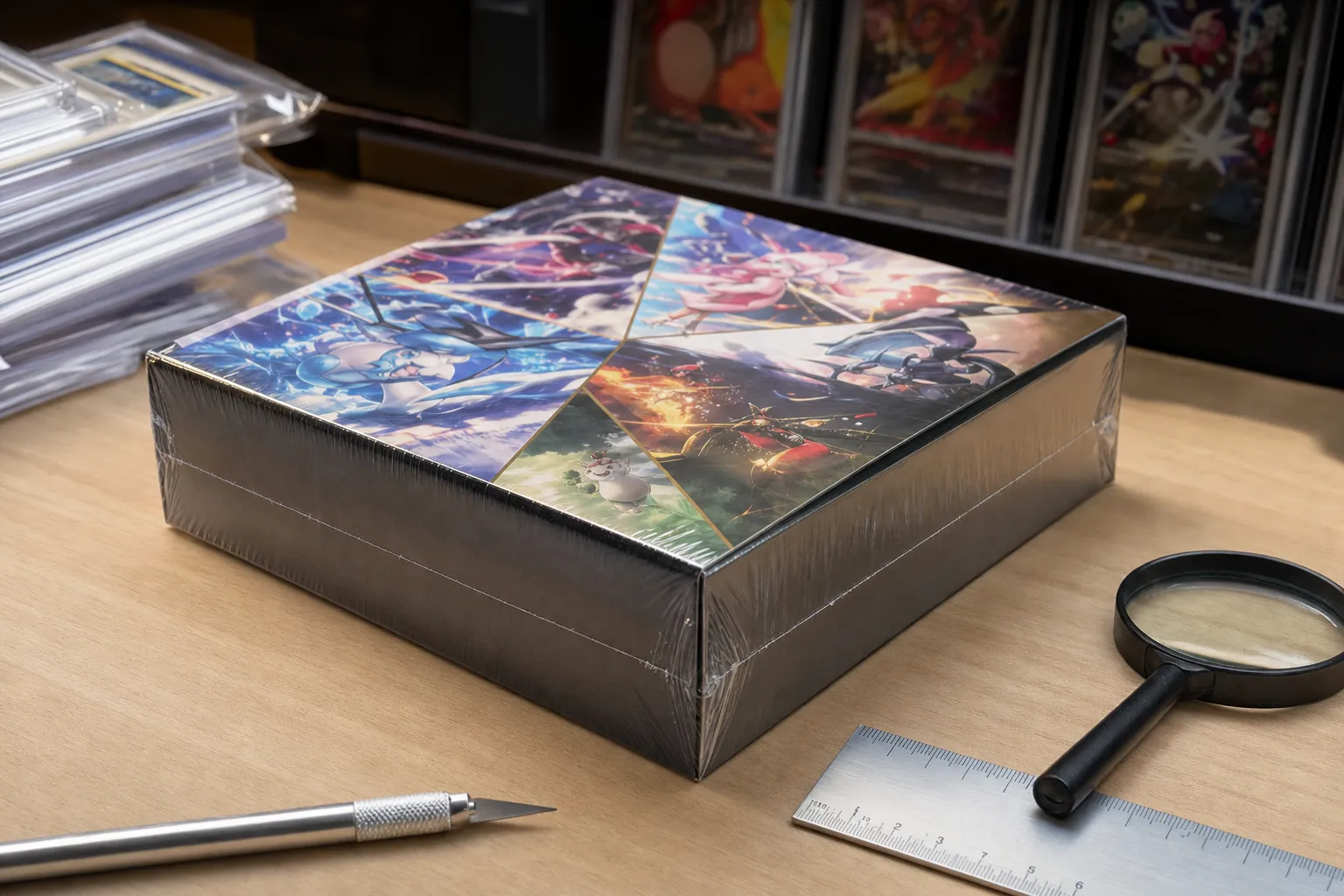
How Long Are Pokémon Sets Printed?
Understand Pokémon set availability, reprints, restocks, and the practical signals collectors can use before deciding to buy or wait.
 Collector guide
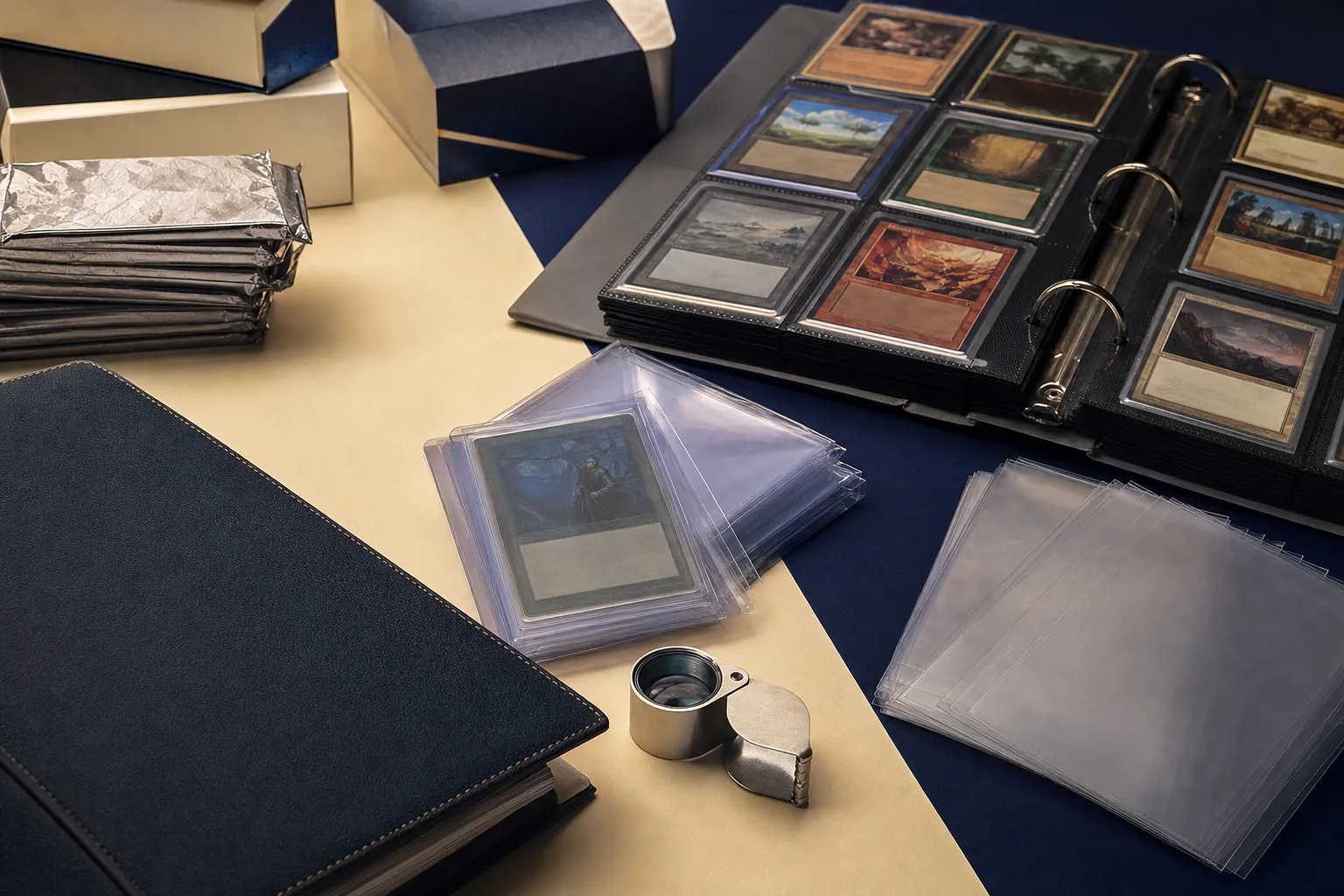
How to Start Collecting Pokémon Cards
A calm beginner plan for choosing a collecting goal, buying your first cards, protecting them, and keeping the hobby fun.