
HOCKEY CARD COLLECTING
How to Start Collecting Hockey Cards
A calm first plan for choosing cards you care about, spending with intention, and building a hockey collection that feels like yours.
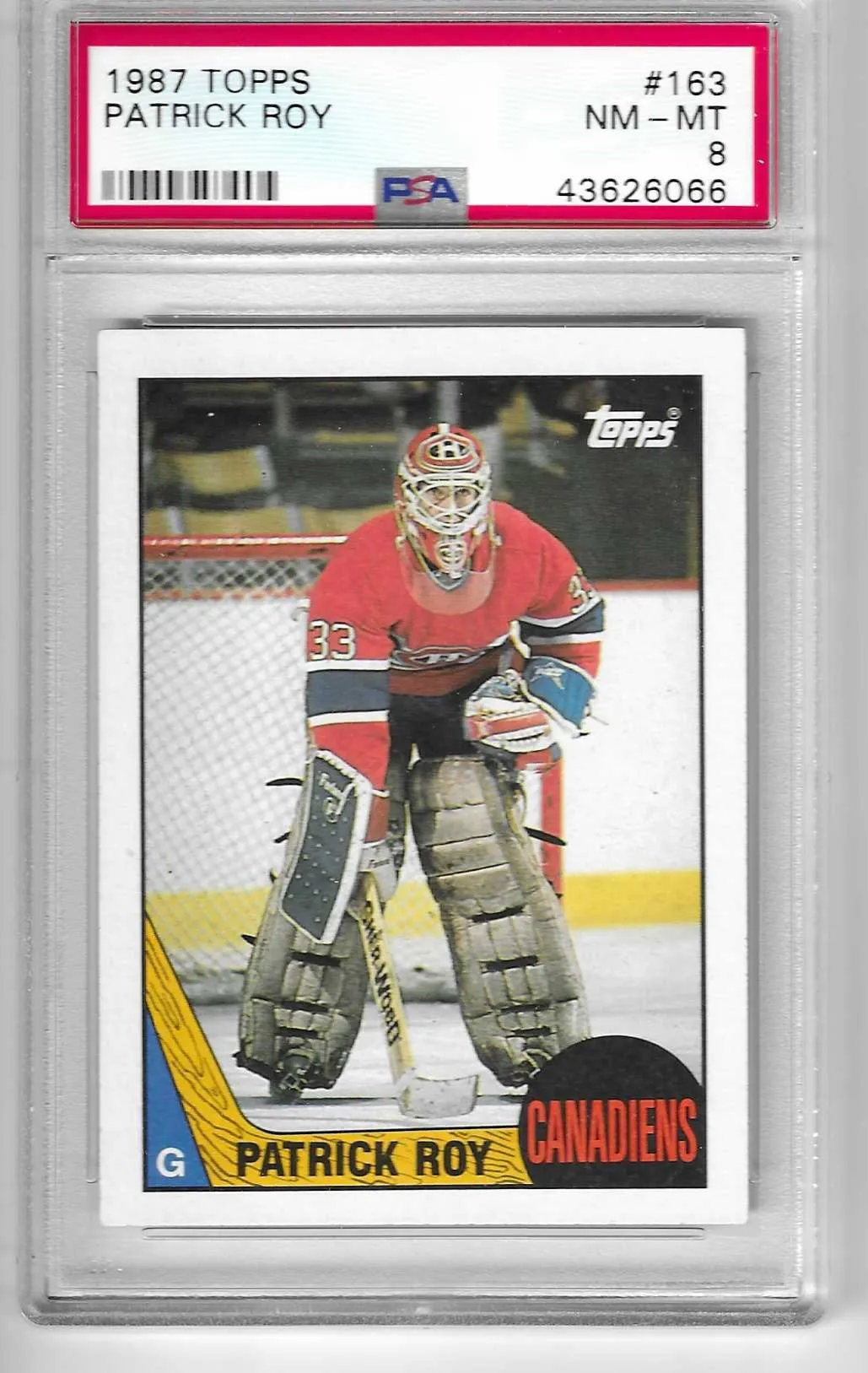
Hockey cards make it easy to hold onto the parts of the game that stay with you: a favourite team, a player you watched grow, a memorable playoff run, or a card design that still looks great years later. The hard part is not finding cards. It is deciding where to start when every product, rookie, parallel, and price tag seems to ask for attention at once.
You do not need to learn the entire hobby before making a first purchase. Pick a reason to collect, give yourself a comfortable budget, learn how to read a listing, and protect the cards you decide to keep. That gives you room to enjoy the hunt without letting hype or a complicated checklist take over.
1. Pick a collection that sounds fun to explain
The easiest starting point is a sentence you can say without looking at a price guide: “I collect Red Wings legends,” “I am building a Sidney Crosby binder,” “I want one rookie card from every player on my childhood team,” or “I like classic O-Pee-Chee designs.” Your answer can be a player, a team, a season, a set, a country, a position, or simply cards with a particular look.
A focus is not a contract. It is a filter. When a listing catches your eye, ask whether it belongs in the collection you described. If it does, great. If it does not, you can still admire it without feeling like you missed out. Upper Deck’s hockey beginner guidance makes the same practical point: player, team, and set collecting are all valid places to start. The best first lane is the one that makes you want to open the binder again.
Keep that first lane narrow enough to finish something. A page of favourite players, five cards from a single team, or a modest set goal creates visible progress quickly. You can broaden the collection once you understand what you enjoy. Beginning with every player, every set, and every new release is an expensive way to discover that you prefer vintage cards or one team.
2. Learn four card words before you shop
You do not need a dictionary of hobby jargon. Four terms will help you read most hockey-card listings with more confidence. A base card is part of a set’s main run. An insert is a themed subset that is usually harder to pull than base cards. A parallel is a version of a card with a different colour, finish, or numbering. A rookie card is from a player’s first season in the league, which is why it often receives extra attention from collectors.
The important detail is that none of those words automatically makes a card right for you. A base card of a player you love can be more satisfying than a rare parallel of someone you barely know. A numbered card may be scarce, but scarcity is only one part of the story. Condition, player demand, set, and your own reason for collecting all matter.
Before buying, read the full title and compare it with the photos. Look for the year, brand, set, card number, player, variation, and condition. If a listing calls a card a rookie, a parallel, or a short print, make sure the card and description support that claim. A careful two-minute read can prevent a purchase that looked like one thing in the headline and another in the details.
3. Decide when to buy singles and when to open
Singles are the most direct way to build a personal collection. If you want a specific player, a favourite team, or a card from a particular season, buying that card lets you choose its condition and price before you commit. It also means you can put the card you actually wanted into the collection today, rather than hoping it appears in a pack.
Packs and boxes offer a different pleasure: the surprise, the shared opening, and the chance to learn a new set card by card. They can be a wonderful part of the hobby, especially when you like the whole release. They are not a promise of a specific rookie, autograph, or high-value pull. Treat the opening as the experience you are buying, then let any great card be a bonus.
If you are curious about a box, compare the exact format before checkout. Retail, blaster, hobby, and other configurations can have different pack counts and card mixes. The manufacturer’s product description and checklist are better starting points than a thumbnail or a vague listing title. Our guide to buying sports-card hobby boxes can help you compare the product, seller, and condition before you choose.
4. Set a budget that leaves room for the next good card
A hockey collection does not need a dramatic first purchase. Start with an amount you can enjoy without needing a card to become more valuable later. That may mean a handful of affordable singles, one small box you are excited to open, or one carefully chosen vintage card. The sensible amount is the one that lets you come back to the hobby next month without regret.
Build the full cost into your decision. Shipping, tax, protection, and storage are part of the purchase. If you are comparing two cards, compare the same year, set, card number, parallel, and condition. Asking prices tell you what a seller hopes to receive. Recent completed sales for close matches tell you what buyers have actually paid. Upper Deck also recommends checking completed listings when you are getting familiar with values.
Give yourself a simple pause before a larger purchase: Would I still want this card if its price did not change? Does it fit the collection I chose? Am I comfortable with the total cost? If the answers are yes, you can buy with more confidence. If not, let the listing go. There will be more cards, and a patient collector has more options.
5. Protect the cards you decide to keep
Good protection is less complicated than it looks. Start with clean, correctly sized soft sleeves for cards you value. Add a rigid holder for cards you want to display, set aside, or keep especially safe. A binder works well for cards you want to browse, while a divided card box is practical for duplicates, team lots, and a growing set. Avoid forcing thick cards into tight pockets or stacking cards loose where corners can catch.
The room matters too. Keep cards away from direct sunlight, moisture, big temperature swings, and the floor where a leak can cause an avoidable disaster. The Library of Congress guidance for paper collections recommends stable, dry conditions and protection from strong light. You do not need a museum setup. A clean shelf, closet, or storage box in a stable part of the home is a strong start.
Use the collector supplies page when you need sleeves, holders, or storage for cards that have earned a spot in the collection. If you are collecting graded cards, the graded hockey cards page is a useful way to compare protected options without treating a slab as the only kind of card worth owning.
6. Make a simple system for new cards
Every collector eventually meets the same problem: the card you just bought, pulled, or traded for has no obvious home. Solve it early with a small intake routine. Keep one tray or box for new cards. After an opening or mail day, set aside the cards you want to protect first, file the cards that fit the main collection, move duplicates to a trade or sale group, and store the rest in a labeled box.
Labels beat memory. A divider marked by team, year, player, or set keeps the collection usable as it grows. If you are building a set, sort by card number. If you collect a player across many years, sort by season or brand. If you collect a team, decide whether you want players together or each set together. The right choice is the one that helps you find a card without turning every mail day into a reorganization project.
Keep a small note with the basics for cards you spend more time researching: what you paid, where it came from, and why you wanted it. This is not a spreadsheet assignment. It is a quick way to remember the story behind a card and to notice which kinds of purchases are making the collection better. If a card later becomes a trade candidate, you will have a more useful starting point than a vague memory of what it cost.
When you want to search beyond a single team or player, the hockey card collection and the broader sports-card singles page make it easier to browse current options at your own pace. For a low-pressure way to add a few cards across teams or eras, the Dollar Bin can be a practical place to experiment with a new collecting idea.
7. Let the collection stay personal
It is easy to mistake attention for a rule. A rookie may be popular, a new release may be everywhere, and a high grade may look impressive, but those are not instructions for your collection. Hockey has enough history, teams, players, and visual styles that a personal collection can take almost any form. You can build around a hometown team, a favourite goalie, a championship season, international players, vintage designs, or cards that remind you of watching games with family.
That personal connection is what makes the collection durable. A card chosen because it belongs to your story does not need a headline to keep its place. You will learn more about condition, values, parallels, and grading over time. Let that knowledge make your choices clearer, not more stressful.
A first-month hockey card plan
- Choose one player, team, season, or set to collect first.
- Set a comfortable total budget, including protection and shipping.
- Buy two or three singles you can describe clearly, rather than chasing a long list.
- If you want to open packs, pick a product because you like the experience and set, not because it guarantees a hit.
- Sleeve the cards you value and give every card group a clear home.
- After a month, keep what worked and adjust the focus without guilt.
How Cardboard Superstars helps
Cardboard Superstars helps collectors build a hockey-card collection around the cards they actually want to keep. Browse the current hockey selection, explore graded hockey cards when you want a protected option, or use the collector supplies page to give your keepers a safer home. If you need a clear answer before buying, the contact page is here to help.
Frequently asked questions
What hockey cards should a beginner collect?
Start with a player, team, era, set, or card design that you genuinely enjoy. A clear personal focus makes the first purchases easier to understand and keeps the collection from becoming a stack of cards you do not care about.
Should I buy hockey card packs or singles?
Singles are the direct route when you want a particular player or card. Packs and boxes are for the experience of opening and the surprise of what may be inside. Both can fit a collection, but neither guarantees a valuable card.
What supplies do I need for hockey cards?
Start with properly sized soft sleeves, rigid holders for cards you value, a binder or storage box, and a cool, dry place away from direct sun. Add more specialized storage only when your collection needs it.
Do I need to grade hockey cards?
No. Grading is optional. It can be useful for a card you want professionally authenticated or protected, but it is not a requirement for enjoying a personal collection. Learn what you like before treating grading as the next automatic step.
How do I know what a hockey card is worth?
Compare recent completed sales for the same year, set, card number, parallel, and condition. An asking price is only a request. A close match to completed sales gives a more useful starting point.
KEEP EXPLORING
Related posts
 Collector guide
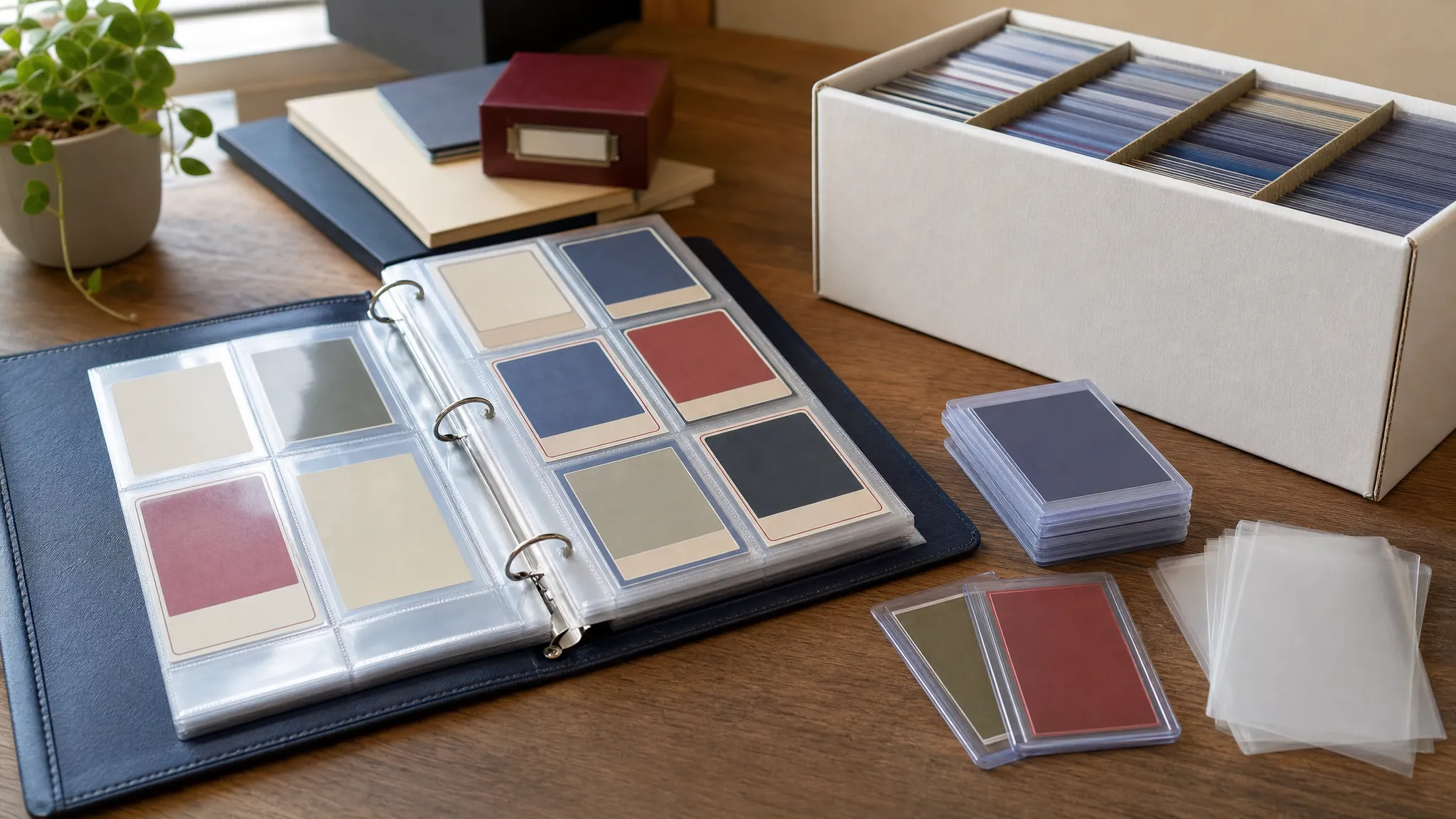
How to Organize Pokémon Cards: A System That Grows With You
A practical way to sort Pokémon cards, protect the keepers, manage duplicates, and keep every new pack from becoming another loose pile.
 Collector guide
How Long Are Pokémon Sets Printed?
How long are Pokémon sets printed? There is no fixed schedule. Learn how to read restocks, reprints, and availability before you buy.
 Collector guide
How to Start Collecting Pokémon Cards
A calm beginner plan for choosing a collecting goal, buying your first cards, protecting them, and keeping the hobby fun.