COLLECT MORE OF WHAT YOU LOVE
Dollar Bin Cards: Build a Collection on a Budget
Find your players, fill a binder page, and keep your hobby budget in view. Here is how to make each pick count.
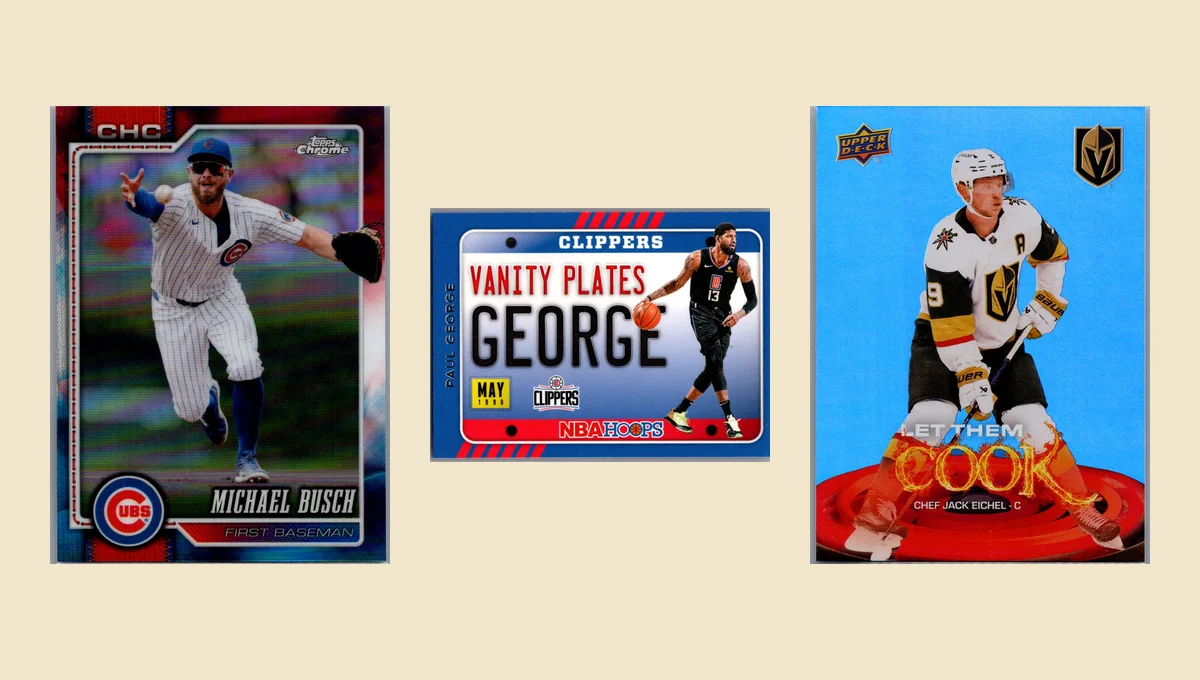
A favorite player does not have to be an expensive player. A card that finishes your team page can feel just as satisfying as a big pull, especially when you picked it yourself. That is the appeal of the Cardboard Superstars Dollar Bin collection: affordable singles you can browse one at a time, with the card and its listed price in front of you.
You might be returning to the hobby, helping a young collector choose their first cards, or hunting a missing set number. In each case, a focused browse can turn a small budget into a collection with a clear story. This guide walks through choosing a goal, reading listings, comparing prices, and using quantity savings without buying a stack you never wanted.
What does “Dollar Bin” mean?
Think of the Dollar Bin as our affordable singles section. It brings together cards from several price points, sports, and games. The name does not mean every card costs exactly $1. Some listings cost more, so use the displayed price on the card you are considering rather than the collection name as your guide.
That distinction matters when you build a cart. Five cards at one price can cost less than three cards at another. Set your limit in dollars, then choose the mix that fits. The final checkout total is what matters, including any applicable tax and the discount shown there.
Affordable also does not mean worthless, rare, or guaranteed to rise in price. Those are separate questions. A low-cost card can be a great addition because it shows your team, has artwork you enjoy, or fills a gap in a set. You do not need a resale story to enjoy owning it.
Give your collection a small, clear goal
Before you browse, finish this sentence: “Today I am looking for…” Keep the answer simple. It could be five players from your favorite baseball team, a binder page of basketball inserts, or hockey cards from an era you watched growing up. A clear goal makes it easier to pass on cards that are cheap but do not fit.
If you are new to the hobby, our guide to starting a sports card collection can help you choose a direction. Panini’s beginner collecting guide also recommends deciding which sports, teams, or players interest you and setting a budget. You can start with one player and widen the focus later.
For set building, bring a written list of the card numbers you need. For a player collection, note the cards you already own. For a gift, find out the recipient’s team or favorite character before choosing. These small steps prevent duplicates and make a modest purchase feel thoughtful.
There is room for a surprise find, too. Leave a little space in your budget for one card that catches your eye. A plan should help you enjoy browsing, not turn a hobby into homework.

Browse the bin in five simple steps
- Choose your sport or game. Start with baseball, basketball, football, or hockey if that is your focus. The collection also has Pokémon and One Piece sections. Shop all is useful when you collect across categories.
- Choose a price order. Use low to high when you want to stretch a small budget. High to low can help you review the higher-priced listings first. Sorting changes the browsing order; it does not tell you which card is the best fit for your collection.
- Keep browsing beyond the first group. The page shows a limited group of cards at a time. Use Show more cards to continue through the selection. A card that suits you may sit beyond the first screen, especially in a larger sport section.
- Open the listings that fit. Read the title, inspect the photos, and check the price and availability. Similar-looking cards can come from different years or sets. Confirm the exact card before adding it.
- Review the cart before checkout. Check the cards, quantities, and total together. Remove accidental duplicates or a card you added only because it was inexpensive. A smaller cart full of deliberate picks is a good result.
Keep your collecting list nearby while you browse. If you lose your place, return to the sport section and continue with your original goal. You do not have to cover the whole collection in one visit.
Read the card, not just the player’s name
A player can appear on many cards in a single year. The year, manufacturer, set, card number, and version help identify the one in front of you. A base card and a refractor may share a photo while having different finishes. An insert belongs to a separate design or subset within a release. Read those details together.
Our Michael Busch Red, White & Blue Refractor listing, for example, identifies the year, Topps Chrome set, version, and number. Use that level of detail when you compare it with a checklist or your own binder. A matching player name alone will not prevent a duplicate.
Condition deserves attention at every price. Look at corners, edges, the surface, and any visible wear in the images. Read the description for condition notes. Do not assume a raw card will receive a particular grade, or that every low-priced card has the same condition. If something you care about is unclear, ask us about the listing before buying.
How the buy-more savings work
The Dollar Bin collection advertises automatic quantity discounts on eligible cards. The current tiers are shown below. These are card-count thresholds, rather than spending targets. Products outside the eligible Dollar Bin selection do not become eligible simply because they share a cart with those cards.
| Eligible cards | Discount |
|---|---|
| 5–9 | 10% off |
| 10–24 | 15% off |
| 25–49 | 20% off |
| 50+ | 25% off |
Here is a hypothetical example to make the math clear. If you chose ten eligible cards priced at $2 each, their subtotal would be $20. A 15% discount would reduce that eligible-card subtotal by $3, to $17 before any applicable tax. This is an illustration, not a promise that any ten cards cost $20.
Compare your actual basket at checkout. Different card prices create different savings, and you should confirm the final discount before paying. Do not assume another promotion will combine with it unless checkout shows that result.
Most of all, stay within your plan. If you have nine cards you love, the tenth should still be a card you want. A higher discount percentage does not automatically mean a lower total bill. Keeping a little money for your next visit can be just as sensible as reaching the next tier today.
Build a basket you will enjoy keeping
A useful small-budget approach is to split your shopping into needs and extras. Your needs might be three missing set numbers or two players you have wanted for a while. Your extras might be an insert with a design you like. Choose the needs first, then see what room remains.
For a team binder, think about how the cards will look together. Different players from the same team can tell a better story than several near-identical cards of one star. For a player binder, different years or designs may be more interesting than buying duplicates. Neither approach requires a large purchase.
When collecting with a child, agree on the spending limit before opening the collection. Let them make a short list, compare their picks, and choose the final cards. That turns the browse into part of the fun. Keep enough of the budget for appropriate storage if they do not already have sleeves or a binder.
Choose singles when you want a specific card
Opening packs and buying singles offer different experiences. Packs provide a surprise. Singles let you choose the card before paying. If your goal is a particular player, team, or set number, a single makes that choice direct. You can see whether the listing fits your budget without hoping the right card appears in a pack.
That does not mean you have to stop opening packs. You can keep a separate amount for the opening experience and use the rest for cards you know you want. If you are comparing the two, start with the goal of the purchase. Is it the fun of opening something, or the satisfaction of putting a particular card in your binder?
A Dollar Bin browse works especially well for the second goal. It gives you room to choose, compare, and leave with a small group of cards that belong together.
Protect the cards and track what you own
Affordable cards still deserve careful handling. Use clean hands and a clean surface. Keep food and drinks away from your sorting area. Place cards into suitable sleeves and use storage that holds them without bending or forcing the corners. Browse our card protection and supplies if you need storage for your new picks.
The Library of Congress recommends stable conditions, limited light, and protective enclosures for paper collections. Those general care principles are useful for a card collection, too. Avoid leaving a binder in direct sunlight or storing cards where leaks, heat, or dampness are likely. You do not need an elaborate display to give cards a sensible home.
Once your order arrives, update your checklist before putting the cards away. Record the player, year, set, number, and version when those details matter to your goal. A simple note on your phone or a paper list is enough. Next time you browse, you will know which gaps are still open and which cards you already have.

Find your next picks at Cardboard Superstars
Our Dollar Bin collection brings affordable sports and trading card singles together with sport and game browsing, price sorting, and quantity savings. Start with the section that interests you, check the individual listings, and build a cart that fits your collection.
The selection changes as cards are added and sold, so use the current collection for prices and availability. If you need help with a card’s details, visit our contact page. You can also review our shipping information and returns information before ordering. The aim is simple: more cards you are happy to keep.
Frequently asked questions
Is every card in the Dollar Bin exactly $1?
No. Dollar Bin is the name of our affordable singles collection, and prices vary by listing. Read the current price on each product page and review your cart before checkout. A card's place in the collection does not promise a $1 price.
Which sports and games can I browse?
The collection has browsing sections for baseball, basketball, football, hockey, Pokémon, and One Piece. The cards in each section change as listings are added or sold. Use the current collection page to see what is available.
How do Dollar Bin quantity discounts work?
The collection advertises 10% off at 5 eligible cards, 15% at 10, 20% at 25, and 25% at 50. The discount applies automatically at checkout. Eligible Dollar Bin cards count toward these thresholds; unrelated products do not. Review the final discount and total before paying.
Does a card shown in the collection mean it is in stock?
A listing can remain visible after it sells out. Open the product page and check its current availability before planning your purchase. The collection count represents distinct listings, rather than the number of physical copies available.
Are Dollar Bin cards a good way to start collecting?
They can be a useful starting point when you want specific players, teams, or set numbers at prices you can compare before buying. Choose a small goal and a spending limit. Read each listing for condition and card details, and buy for your enjoyment rather than an assumed future resale price.
KEEP EXPLORING
Related posts
 Collector guide
Where to Buy Sports Card Hobby Boxes
Know what to check before buying a sports-card hobby box online or in person.
 Collector guide
How to Start Collecting Sports Cards
A practical beginner plan for choosing a sports-card collecting focus, buying thoughtfully, protecting the cards you keep, and enjoying the hobby.